

Key Takeaways
- Native plants are adapted to local climates and generally require less watering and fertilizing than turf grass.
- A rewilded lawn can support pollinators, birds, and beneficial insects that conventional lawns cannot.
- Transitioning from turf to native plants involves upfront effort and a multi-season establishment period.
- Local ordinances may restrict how naturalistic yards can appear - check regulations before starting.
- Rewilding works best as a gradual process, replacing sections of turf over time rather than all at once.
Significantly lower water requirements once established
Native plants are adapted to regional rainfall patterns and, after their first one to two growing seasons, typically need little to no supplemental irrigation. This can meaningfully reduce outdoor water use compared to conventional turf.
Supports pollinators and local wildlife
Native plants provide the specific nectar, pollen, seeds, and shelter that native bees, butterflies, birds, and other wildlife have co-evolved to depend on. Non-native turf grass offers almost none of these resources.
Reduced need for fertilizers and pesticides
Because native species evolved in local soil conditions, they generally don't require the fertility boosting or pest management programs that keep conventional lawns presentable. This lowers both cost and chemical runoff into waterways.
Lower long-term mowing and maintenance demands
A mature native plant garden replaces weekly mowing with seasonal maintenance tasks, reducing fuel use and the time investment associated with conventional lawn upkeep.
Greater resilience to regional climate extremes
Native plants are adapted to local drought cycles, temperature swings, and soil types, making them more likely to survive heat waves or dry spells that stress non-native turf.
Significant upfront effort and establishment time
Removing existing turf, preparing soil, sourcing appropriate native species, and watering through the establishment phase requires a real investment of time and money before the lower-maintenance benefits kick in.
Multi-season wait before plants fully establish
Most native plantings take one to three full growing seasons to develop the root systems that make them truly self-sufficient. During this window, the garden may look sparse or uneven.
Local ordinances or HOA rules may create obstacles
Some municipalities and homeowners associations have rules about lawn height or appearance that can conflict with naturalistic plantings. Navigating these restrictions adds a layer of complexity before or during the project.
Plant selection requires regional research
"Native" is not a one-size-fits-all label - plants native to the Southeast may be invasive or simply unable to survive in the Mountain West. Selecting the right species demands local knowledge and sourcing from reputable nurseries.
Weeds and invasive species can colonize early
Disturbed soil and young plantings can attract opportunistic weeds and invasive plants, which may outcompete natives if not managed during the establishment phase.
Our Verdict
Replacing turf with native plants offers real environmental benefits and can meaningfully reduce long-term maintenance demands - but it isn't effortless. The transition takes planning, patience during establishment, and sometimes navigating neighbor or municipal expectations. Once established, a native plant landscape tends to be more resilient and less resource-intensive than a conventional lawn.
Homeowners who want to reduce watering, mowing, and chemical use while supporting local wildlife - and who are willing to invest time upfront in planning and plant establishment.
What Rewilding Your Lawn Actually Means
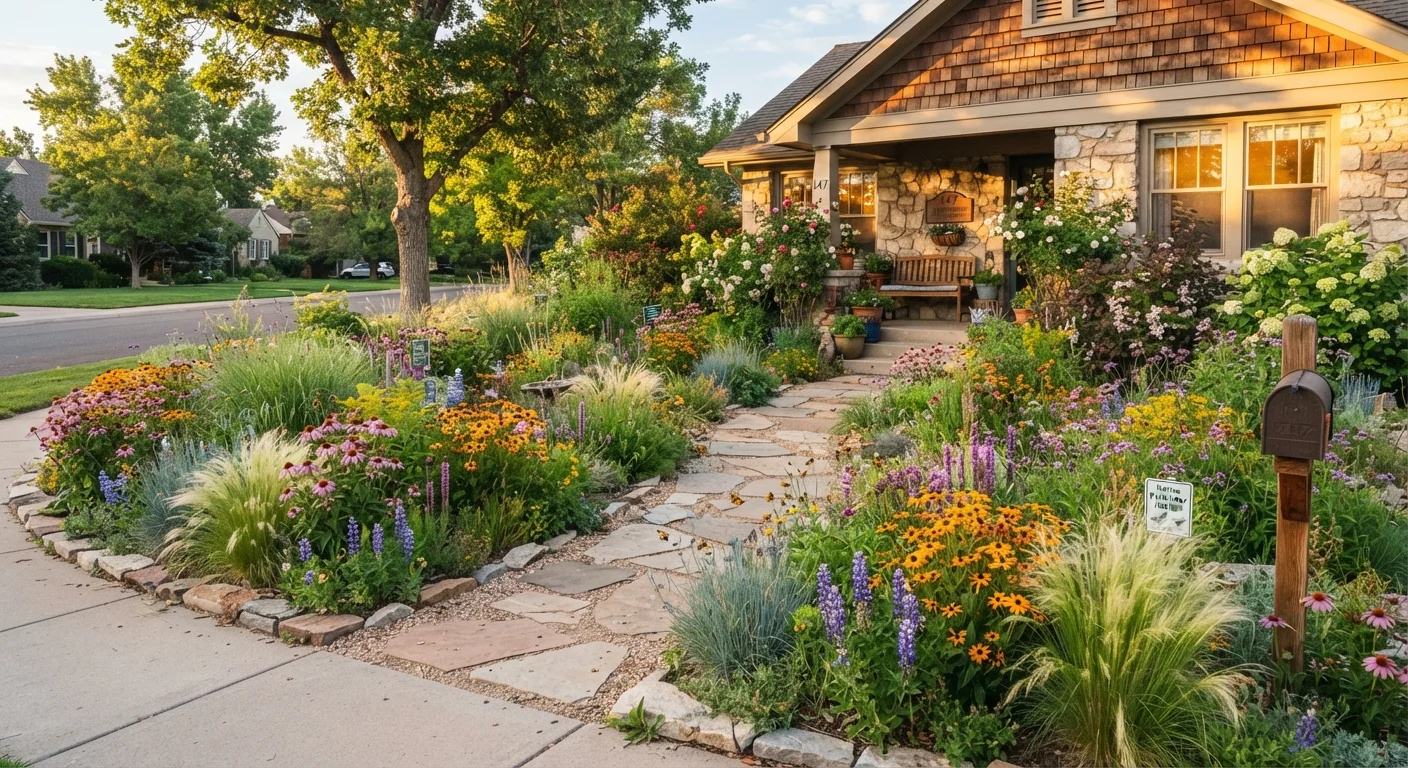
Rewilding a lawn doesn't necessarily mean letting your yard go wild. In residential contexts, it typically means replacing non-native, high-maintenance turf grass with plants that are indigenous to your region - species that evolved in your local climate, soil, and rainfall patterns. These might include native wildflowers, bunch grasses, shrubs, sedges, or groundcovers, depending on where you live.
The plants that qualify as "native" vary significantly by region. A prairie coneflower suited to the Midwest won't necessarily thrive in the Pacific Northwest. Identifying the right species starts with your USDA Plant Hardiness Zone and, ideally, a visit to a local native plant nursery or cooperative extension service, which can recommend plants matched to your specific conditions.
Unlike conventional year-round lawn care routines built around mowing, fertilizing, and irrigation schedules, a native plant landscape is designed to sustain itself once plants are established. That shift in approach is both the appeal and the adjustment.
The Case For: Advantages of Going Native
Switching to native plants carries a range of practical and ecological benefits that are well-documented by horticultural researchers and conservation organizations.
Significantly lower water requirements once established
Native plants are adapted to regional rainfall patterns and, after their first one to two growing seasons, typically need little to no supplemental irrigation. This can meaningfully reduce outdoor water use compared to conventional turf.
Supports pollinators and local wildlife
Native plants provide the specific nectar, pollen, seeds, and shelter that native bees, butterflies, birds, and other wildlife have co-evolved to depend on. Non-native turf grass offers almost none of these resources.
Reduced need for fertilizers and pesticides
Because native species evolved in local soil conditions, they generally don't require the fertility boosting or pest management programs that keep conventional lawns presentable. This lowers both cost and chemical runoff into waterways.
Lower long-term mowing and maintenance demands
A mature native plant garden replaces weekly mowing with seasonal maintenance tasks, reducing fuel use and the time investment associated with conventional lawn upkeep.
Greater resilience to regional climate extremes
Native plants are adapted to local drought cycles, temperature swings, and soil types, making them more likely to survive heat waves or dry spells that stress non-native turf.
One often-overlooked benefit is the relationship between native plants and soil health. Deep-rooted native species - some prairie grasses extend roots six feet or more - improve soil structure and water infiltration over time, which can reduce runoff and erosion. This complements strategies like mulching: see our guide to what mulch does and when to use it for additional context on supporting soil health.
The Case Against: Challenges Worth Knowing
Rewilding isn't without friction. Understanding the genuine drawbacks helps you plan more realistically and avoid common pitfalls.
Significant upfront effort and establishment time
Removing existing turf, preparing soil, sourcing appropriate native species, and watering through the establishment phase requires a real investment of time and money before the lower-maintenance benefits kick in.
Multi-season wait before plants fully establish
Most native plantings take one to three full growing seasons to develop the root systems that make them truly self-sufficient. During this window, the garden may look sparse or uneven.
Local ordinances or HOA rules may create obstacles
Some municipalities and homeowners associations have rules about lawn height or appearance that can conflict with naturalistic plantings. Navigating these restrictions adds a layer of complexity before or during the project.
Plant selection requires regional research
"Native" is not a one-size-fits-all label - plants native to the Southeast may be invasive or simply unable to survive in the Mountain West. Selecting the right species demands local knowledge and sourcing from reputable nurseries.
Weeds and invasive species can colonize early
Disturbed soil and young plantings can attract opportunistic weeds and invasive plants, which may outcompete natives if not managed during the establishment phase.
Start Small to Build Confidence
Rewilding an entire lawn at once can feel overwhelming and makes it harder to troubleshoot what's working. Starting with one defined area - a shady corner, a hell strip, or a slope where turf never thrives anyway - lets you experiment with native species selection and soil preparation on a manageable scale. Success in a small area builds the knowledge and confidence to expand the project in future seasons. You may also find that a hybrid yard, part native planting and part maintained turf, suits your household's needs and neighborhood context well.
Even gardeners committed to native plants often find it useful to phase the transition. Starting by replacing a single lawn section - say, a strip along a fence or under a tree where turf struggles anyway - lets you learn what works in your yard before committing to a full conversion.
How the Transition Typically Works
Most successful rewilding projects follow a staged process rather than a single overhaul. The first step is suppressing existing turf, either by sheet mulching (layering cardboard and wood chips over grass to smother it), solarization (covering with clear plastic to heat and kill the turf), or herbicide application - each method has trade-offs in time, cost, and chemical use.
Soil preparation follows: native plants often perform best in leaner, less-amended soils than conventional gardens. Over-fertilizing can actually favor weedy competitors over natives. Once plants go in, the establishment phase - typically one to three growing seasons - requires consistent watering until root systems develop. After that, supplemental irrigation needs drop substantially for most native species. This is one reason rewilded yards often fare better during dry periods than turf lawns prone to the watering mistakes that stress conventional grass.
40M+
Acres of lawn in the continental United States
Estimates from NASA and the U.S. Geological Survey have placed the total area of maintained turf in the U.S. at roughly 40 million acres, making lawns one of the most irrigated land cover types in the country.
~30%
Share of U.S. household water used outdoors
The U.S. Environmental Protection Agency estimates that outdoor water use accounts for roughly 30% of total household consumption, with lawn irrigation representing the majority of that share in many regions.
Maintenance in a mature native landscape shifts rather than disappears. Instead of weekly mowing, you're doing seasonal tasks: cutting back spent stalks in early spring, dividing plants that have spread too wide, and removing invasive species that try to move in. For shrubs and woody plants included in your design, understanding how to prune without causing long-term damage will help keep the planting healthy and visually managed.
Navigating Community and Code Considerations
One practical reality many gardeners underestimate is the regulatory and social landscape. Some municipalities have ordinances requiring lawns to be maintained below a certain grass height, which can conflict with naturalistic plantings. Homeowners associations (HOAs) may have additional restrictions. Before investing in a rewilding project, it's worth reviewing your local codes and HOA rules.
In practice, many communities are updating ordinances to accommodate native plantings, and some states have passed "right to garden" laws that limit overly restrictive municipal rules. Contacting your local planning or code enforcement office - or a native plant society active in your area - can clarify what's permitted. Framing your planting with defined borders, mulched pathways, or a small ornamental element near the street can also help a naturalistic yard read as intentional rather than neglected, which tends to reduce neighbor concerns.
If you're weighing native plants against continuing with traditional turf, also consider reviewing the real trade-offs between grass seed and sod - useful context if you plan to keep some turf areas in a hybrid approach.