

Key Takeaways
- Building permits protect homeowners by ensuring work meets safety codes and is inspected by a qualified official.
- Projects involving structural changes, electrical, plumbing, or HVAC work almost always require a permit.
- Skipping a required permit can create serious problems when selling your home or filing an insurance claim.
- Local building departments are the authoritative source on which specific projects require permits in your area.
- Contractors are often responsible for pulling permits, but the homeowner bears ultimate legal responsibility for unpermitted work.
Building Permit
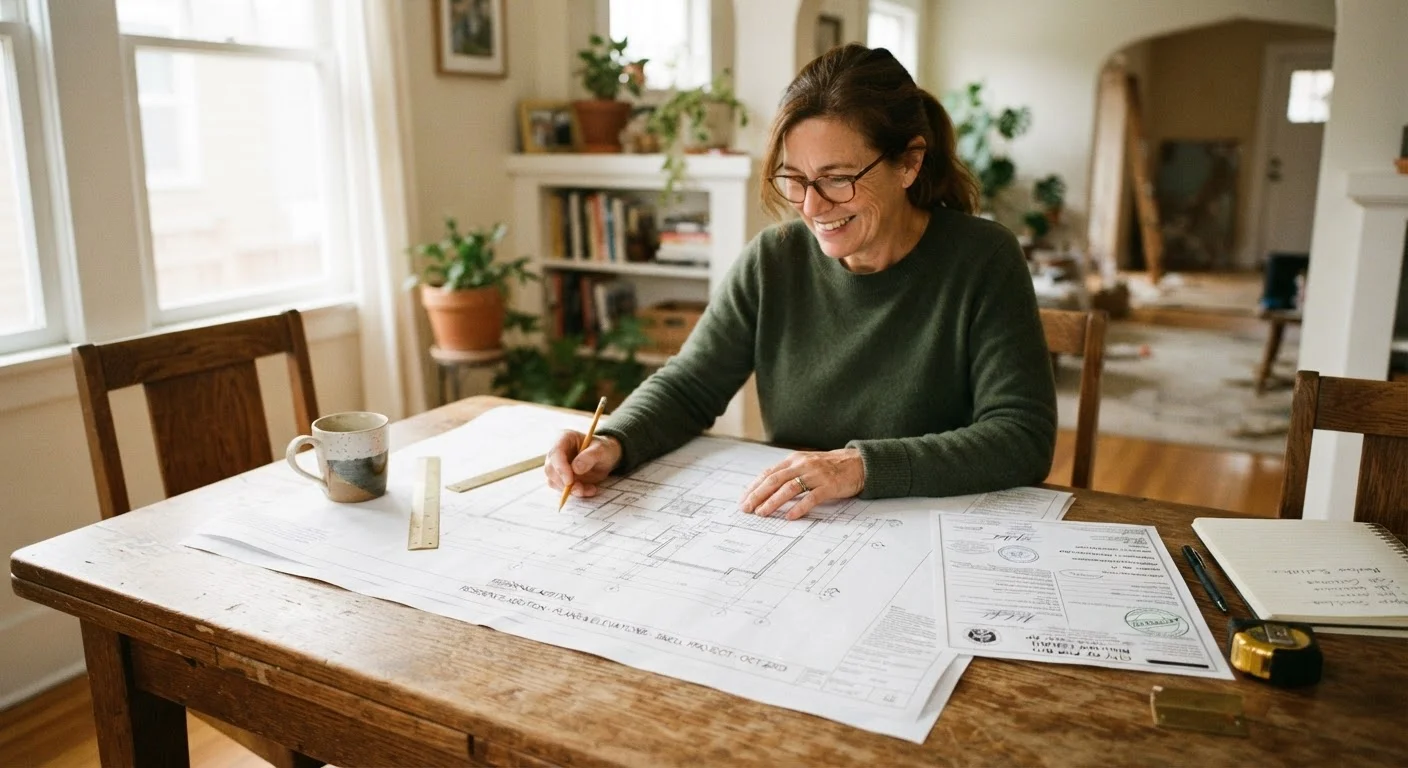
A building permit is an official approval issued by your local government that authorizes specific construction, renovation, or repair work on a property. It confirms that the planned work will comply with local building codes, zoning laws, and safety standards. An inspector typically reviews the work at key stages and signs off when it meets those standards.
Permit requirements and fee structures are set at the municipal or county level, meaning rules can vary significantly even between neighboring jurisdictions.
What a Building Permit Actually Does
A building permit is not simply a bureaucratic hurdle - it is the mechanism by which local government ensures that construction work is safe, structurally sound, and legally compliant. When you apply for a permit, you are submitting your project plans for review against your municipality's adopted building codes. An inspector then visits the site at designated stages to verify the work matches what was approved.
This process serves multiple stakeholders: it protects you as the homeowner, future occupants of the property, and your neighbors. Code requirements exist because certain types of work - improperly done electrical wiring, undersized load-bearing beams, inadequate ventilation - can cause fires, structural failures, or health hazards years after the fact. The permit and inspection process creates a documented record that the work was done to an accepted standard.
Codes Vary by Location
The United States does not have a single national building code. Most states adopt versions of model codes - such as the International Building Code or the International Residential Code - but local amendments are common. Your city or county building department is always the authoritative source for what applies to your property and project.
Projects That Almost Always Require a Permit
While exact rules vary by jurisdiction, certain categories of work are almost universally permit-required across U.S. municipalities:
- Structural alterations: Removing or adding load-bearing walls, building additions, or changing a roofline.
- Electrical work: Adding new circuits, upgrading your panel, or relocating outlets. See our guide to home electrical inspections for what inspectors examine.
- Plumbing changes: Rerouting supply or drain lines, adding fixtures, or relocating a water heater. Poor planning here can cause long-term issues - as explored in our article on overlooked plumbing decisions.
- HVAC installation: Installing or replacing central air conditioning, furnaces, or ductwork.
- Decks and accessory structures: Building a deck above a certain height, a detached garage, or a substantial shed.
- Finish work tied to the above: Finishing a basement or attic often triggers permits because it may involve electrical, egress, and insulation requirements.
Kitchen renovations frequently fall into this category because they combine several of these trades at once. Our kitchen renovation cost breakdown discusses how permit fees factor into overall project budgets.
Work That Typically Does Not Require a Permit
Not every home project triggers the permit process. Work that is generally exempt in most jurisdictions includes cosmetic updates like painting, flooring installation, cabinet replacement, and like-for-like fixture swaps that don't involve moving supply or drain lines. Minor repairs - patching drywall, replacing a faucet, swapping a light fixture on an existing circuit - are also commonly exempt.
That said, never assume exemption. Local rules differ meaningfully. A detached shed that requires no permit in one county may require one in the next. Always verify with your local building department - most have phone lines and websites that answer common questions quickly.
When in Doubt, Ask Before You Start
A quick call or online inquiry to your local building department costs nothing and can save you significant expense. Describe your project and ask whether a permit is required and what the application process involves. Many departments also offer pre-application meetings for larger projects.
What Happens If You Skip a Required Permit
Proceeding without a required permit carries real risks that extend well beyond a fine:
- Stop-work orders: If discovered mid-project, inspectors can halt all work until you come into compliance.
- Retroactive permitting: You may be required to open walls, ceilings, or floors so inspectors can verify hidden work - undoing completed finishes at your own cost.
- Insurance complications: If unpermitted work contributes to a loss - a house fire traced to unlicensed wiring, for example - your homeowner's insurance may deny or reduce the claim.
- Sale and financing obstacles: Lenders, buyers, and title companies increasingly scrutinize unpermitted work. Resolving it before closing can be expensive and time-consuming.
Before starting any renovation, work through a planning checklist. Our homeowner's renovation planning checklist walks through the early steps - including permit research - that prevent problems downstream.
This article provides general educational information about building permits and is not a substitute for guidance from your local building department or a licensed contractor. Requirements vary by location; always verify current rules with the authority having jurisdiction in your area before beginning any project.