

Key Takeaways
- A pre-purchase inspection (PPI) is conducted by an independent mechanic before you buy a used vehicle.
- The inspection typically costs between $100 and $200 and can reveal costly hidden problems.
- You should choose your own mechanic - not one recommended by the seller.
- A PPI applies to both private-sale and dealership purchases, including certified pre-owned vehicles.
- Results give you negotiating leverage or a clear reason to walk away from a bad deal.
What you will need
Why a Pre-Purchase Inspection Matters
Buying a used vehicle is one of the larger financial commitments most households make. Yet many buyers skip one of the most practical safeguards available: having an independent mechanic evaluate the car before money changes hands. This is called a pre-purchase inspection, or PPI.
Unlike a dealership's in-house inspection - which may serve the seller's interest - a PPI performed by a mechanic you hire works entirely on your behalf. The goal is to surface mechanical, structural, or safety issues that aren't visible during a test drive and aren't disclosed in an online listing.
Even certified pre-owned vehicles that have passed manufacturer inspections can benefit from an independent second opinion, since CPO standards vary significantly across automakers.
A PPI fits naturally into the broader car-buying process - typically after you've done your research and before you finalize any agreement.
What you will need
What a Pre-Purchase Inspection Covers
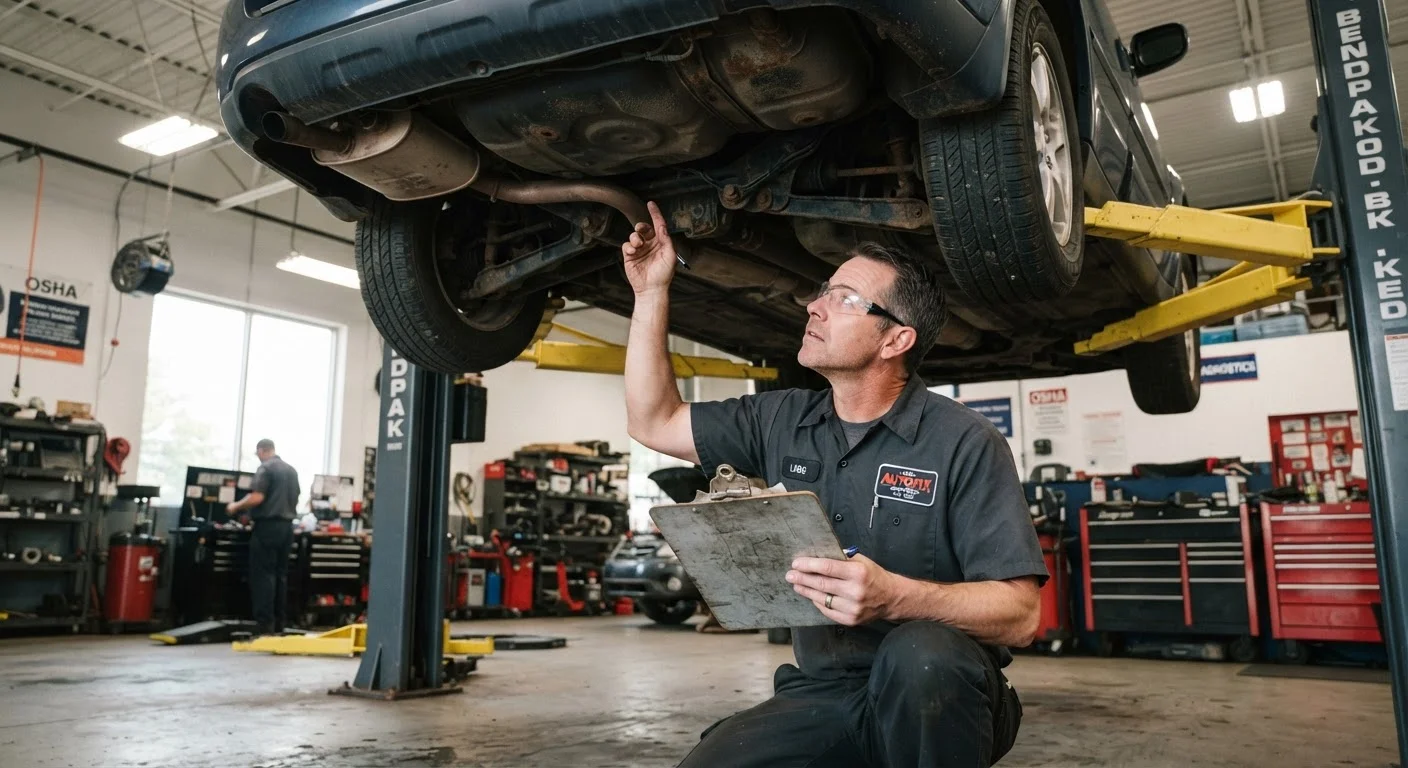
A thorough PPI goes well beyond a visual once-over. A qualified mechanic will typically examine the following areas:
- Engine and transmission: Fluid condition, leaks, unusual wear, and signs of overheating or prior damage
- Brakes and suspension: Pad thickness, rotor condition, shock absorbers, and steering components
- Body and frame: Evidence of prior collision repair, rust, misaligned panels, or structural damage
- Electrical systems: Lights, sensors, battery condition, and dashboard warning indicators
- Tires: Tread depth and wear patterns that can hint at alignment or suspension problems
- Undercarriage: Rust, exhaust system integrity, and fluid leaks from below
- OBDII diagnostic scan: Reading stored fault codes the vehicle's computer has logged
The mechanic will typically provide a written report summarizing findings and noting which issues are minor versus which require immediate or expensive attention. See the car maintenance essentials hub for context on common repair categories and what they typically involve.
Get the Report in Writing
Always ask for a written inspection report, not just a verbal summary. A written document gives you something concrete to reference during price negotiations and keeps a record of known issues at the time of purchase. Most reputable shops provide this as standard practice.
How to Arrange the Inspection: Step by Step
The process is straightforward, but a few key decisions - especially choosing the right mechanic - make a significant difference in the quality of information you receive.
Find an independent mechanic you trust
Choose a repair shop or mechanic with no affiliation to the seller. Ask friends or family for referrals, or look for shops with recognized certifications such as ASE (Automotive Service Excellence). Confirm upfront that the shop performs pre-purchase inspections and ask about their fee and what the inspection covers.
Get the seller's agreement
Contact the seller and explain that you'd like to have the vehicle independently inspected before committing to purchase. Most legitimate sellers will agree. A seller who refuses or creates obstacles is providing important information about the transaction - consider it a red flag worth weighing carefully.
If the vehicle is sold remotely or is difficult to transport, many mobile inspection services will travel to the vehicle's location for an additional fee.
Schedule and coordinate logistics
Arrange a time when the seller can bring the vehicle to your chosen shop, or coordinate drop-off if you have temporary permission to drive it. Confirm the appointment with the mechanic and make sure they know it's a pre-purchase inspection so they can allocate sufficient time - typically one to two hours.
Review the vehicle history report alongside the inspection
Before or alongside the PPI, obtain a vehicle history report using the car's VIN (Vehicle Identification Number). Reports from services like Carfax or AutoCheck document title status, accident history, odometer readings, and prior ownership. The mechanic's physical findings and the history report together give you a much more complete picture than either source alone.
Also review key questions to ask the seller before the inspection so you can flag anything inconsistent.
Attend the inspection if possible
If the shop allows it, being present during the inspection lets you ask questions in real time and see issues firsthand. Even if you have limited mechanical knowledge, a good mechanic will explain what they're seeing in plain language. This firsthand understanding will help you interpret the written report more accurately.
Review the written report and decide next steps
Ask the mechanic to walk you through their findings, distinguishing between items that need immediate attention, items to monitor, and items that are normal wear for the vehicle's age and mileage. Use this breakdown to make an informed decision: proceed at the listed price, negotiate, request repairs, or decline the purchase.
Never Skip Inspection on an 'As-Is' Sale
When a vehicle is sold 'as-is' - common in private sales and at some independent dealerships - the buyer accepts the vehicle in its current condition with no recourse after the sale. A pre-purchase inspection is especially critical in these situations, since discovering a major problem post-purchase leaves you with no legal remedy against the seller.
Acting on the Inspection Results
Once you have the written report, you have several options. If the vehicle comes back clean or with only minor issues, you can proceed with confidence. If significant problems are identified, you can use the findings to negotiate a lower price, request that the seller address specific repairs before sale, or walk away entirely - all legitimate outcomes.
Keep in mind that private sellers and dealerships handle repair requests differently. A private seller may be unwilling or unable to fix problems before closing, while a dealership may have more flexibility.
The cost of a PPI - generally $100 to $200, depending on the shop and region - is modest relative to the purchase price of most used vehicles. It is general information about the car's condition at a single point in time; it cannot predict future reliability. For guidance on choosing between independent shops and dealership service departments, see our comparison of mechanic options.