

Key Takeaways
- Iceland's weather is genuinely unpredictable year-round, requiring flexible itineraries and proper gear.
- Self-driving the Ring Road suits independent travelers but demands real preparation and a suitable vehicle.
- Costs in Iceland are significantly higher than in most other destinations Americans visit in Europe.
- Outdoor enthusiasts, photographers, and slow travelers tend to get the most out of an Iceland trip.
- Travelers expecting warm weather, beach relaxation, or dense city life will likely be disappointed.
Scenery unlike almost anywhere else on Earth
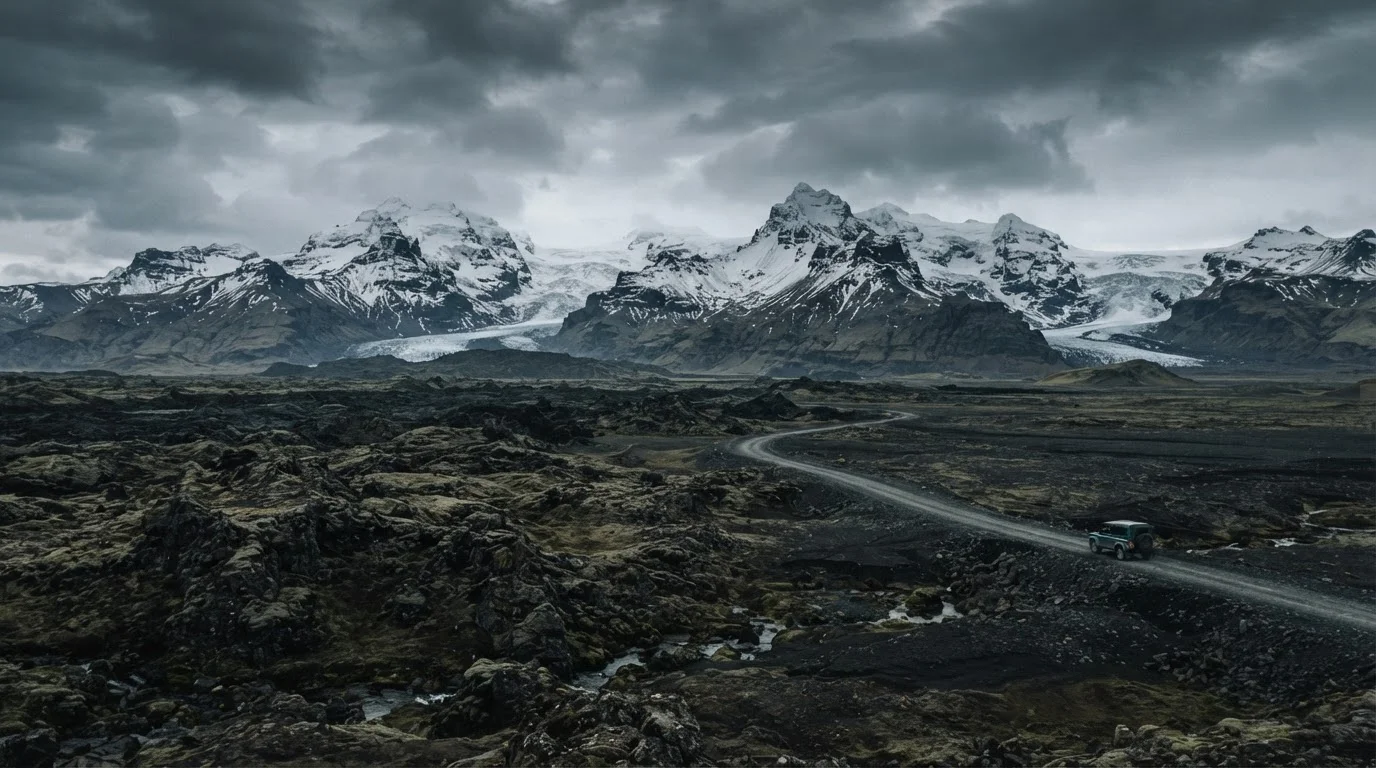
Iceland's combination of glaciers, lava fields, geysers, and fjords creates a landscape that photographers and nature lovers find deeply rewarding. The visual variety across a relatively compact driving circuit is exceptional.
Midnight sun offers extended daylight in summer
From late May through late July, Iceland experiences near-continuous daylight, allowing travelers to hike, photograph, and explore well into what would normally be evening hours.
Northern lights viewing from late August through April
Iceland's dark winters and low light pollution outside Reykjavik make it one of the more accessible northern lights destinations for travelers based in North America, with direct flights from several U.S. cities.
Accessible self-drive route along the Ring Road
Route 1 circles the island and connects the country's major natural attractions. Most of it is paved and navigable with a standard rental vehicle outside of winter, making independent travel genuinely feasible.
Genuinely safe travel environment
Iceland consistently ranks among the safest countries in the world by multiple international indexes. Solo travelers, including solo women, report feeling comfortable traveling independently across much of the country.
Among the most expensive destinations worldwide
Accommodation, dining, fuel, and guided activities in Iceland carry price tags that consistently surprise first-time visitors. A week-long trip for two can easily exceed what a comparable trip to Western Europe would cost.
Weather is unpredictable and can shut down plans
Road closures, storm warnings, and sudden weather shifts are common throughout the year. Travelers with fixed schedules and limited flexibility often find conditions force changes they didn't anticipate.
No warm-weather beach or resort experience
Iceland's coastline is dramatic but cold. Travelers expecting Mediterranean-style relaxation or warm swimming weather will find the country doesn't offer that - even in summer, temperatures in many regions stay in the 40s and 50s Fahrenheit.
Interior highlands inaccessible much of the year
The dramatic highland interior - including destinations like the Highlands and the Westfjords - requires a 4WD vehicle and is typically only accessible from late June through early September, limiting options outside that window.
Tourism pressure at popular sites has grown significantly
Iconic locations like Seljalandsfoss waterfall, the Blue Lagoon, and Jökulsárlón glacier lagoon attract large crowds during peak season. Travelers seeking solitude need to plan carefully around timing and lesser-known alternatives.
Driving conditions in winter require real experience
Winter driving in Iceland involves ice, snow, high winds, and limited daylight. Travelers without experience driving on ice or in blizzard conditions face genuine safety risks and should account for this in their planning.
Our Verdict
Iceland is an extraordinary destination for travelers who embrace unpredictability, love the outdoors, and are willing to invest seriously in the experience. It's not a destination that rewards passive tourism - the landscape demands engagement, the weather demands flexibility, and the costs demand a realistic budget. Those who come prepared tend to leave transformed; those who come expecting convenience often leave frustrated.
Iceland is best suited to independent, adventure-minded travelers who prioritize dramatic natural scenery over comfort and predictability, and who have the budget and flexibility to adapt when conditions change.
What Makes Iceland Different From Other Destinations
Iceland sits in the North Atlantic at the edge of the Arctic Circle, straddling two tectonic plates. The result is a landscape unlike anywhere most Americans have ever seen - active volcanoes, geothermal hot springs, glaciers, black sand beaches, and waterfalls that appear around nearly every bend. It's a destination that generates genuine awe, often on day one.
But Iceland also has a reputation for humbling travelers who arrive underprepared. The island is roughly the size of Kentucky, with a population under 380,000. Much of the interior is uninhabitable highland. Infrastructure outside Reykjavik is sparse. This isn't a destination where things run seamlessly in the background - travelers here are active participants in the environment, not observers of it.
Before booking, it helps to honestly assess what kind of trip you actually want. Iceland delivers well on specific experiences and poorly on others. Understanding that gap upfront saves frustration later. See our step-by-step itinerary guide for how to structure a plan around a destination like this.
Where Iceland Excels as a Travel Destination
Scenery unlike almost anywhere else on Earth
Iceland's combination of glaciers, lava fields, geysers, and fjords creates a landscape that photographers and nature lovers find deeply rewarding. The visual variety across a relatively compact driving circuit is exceptional.
Midnight sun offers extended daylight in summer
From late May through late July, Iceland experiences near-continuous daylight, allowing travelers to hike, photograph, and explore well into what would normally be evening hours.
Northern lights viewing from late August through April
Iceland's dark winters and low light pollution outside Reykjavik make it one of the more accessible northern lights destinations for travelers based in North America, with direct flights from several U.S. cities.
Accessible self-drive route along the Ring Road
Route 1 circles the island and connects the country's major natural attractions. Most of it is paved and navigable with a standard rental vehicle outside of winter, making independent travel genuinely feasible.
Genuinely safe travel environment
Iceland consistently ranks among the safest countries in the world by multiple international indexes. Solo travelers, including solo women, report feeling comfortable traveling independently across much of the country.
Iceland's strongest appeal is concentrated in a few clear categories. Nature photographers find the country almost unreasonably generous - the light quality during the golden hours can last for hours in summer, and the northern lights appear from late August through April in dark-sky conditions that are genuinely hard to match elsewhere. Hikers and adventure travelers find trails ranging from accessible day walks to multi-day glacier traverses.
For solo travelers or pairs who prefer self-directed exploration, Iceland's Ring Road (Route 1) is one of the world's most accessible self-drive adventures. Most of it is paved, most attractions are signposted, and the infrastructure for independent travel - guesthouses, rental vehicles, fuel stops - is well established. See how trip style affects planning with our piece on solo vs. group trip planning.
Where Iceland Falls Short
Among the most expensive destinations worldwide
Accommodation, dining, fuel, and guided activities in Iceland carry price tags that consistently surprise first-time visitors. A week-long trip for two can easily exceed what a comparable trip to Western Europe would cost.
Weather is unpredictable and can shut down plans
Road closures, storm warnings, and sudden weather shifts are common throughout the year. Travelers with fixed schedules and limited flexibility often find conditions force changes they didn't anticipate.
No warm-weather beach or resort experience
Iceland's coastline is dramatic but cold. Travelers expecting Mediterranean-style relaxation or warm swimming weather will find the country doesn't offer that - even in summer, temperatures in many regions stay in the 40s and 50s Fahrenheit.
Interior highlands inaccessible much of the year
The dramatic highland interior - including destinations like the Highlands and the Westfjords - requires a 4WD vehicle and is typically only accessible from late June through early September, limiting options outside that window.
Tourism pressure at popular sites has grown significantly
Iconic locations like Seljalandsfoss waterfall, the Blue Lagoon, and Jökulsárlón glacier lagoon attract large crowds during peak season. Travelers seeking solitude need to plan carefully around timing and lesser-known alternatives.
Driving conditions in winter require real experience
Winter driving in Iceland involves ice, snow, high winds, and limited daylight. Travelers without experience driving on ice or in blizzard conditions face genuine safety risks and should account for this in their planning.
Iceland's limitations are real and worth naming plainly. The country sits among the most expensive destinations in the world for American travelers. Meals, fuel, accommodation, and tours carry significant price tags, and travelers who underestimate this often feel squeezed throughout the trip. Budget travelers can manage with planning, but there's a meaningful floor below which the experience degrades quickly.
Weather is the other persistent challenge. Iceland's conditions can shift from clear skies to horizontal sleet within an hour. Road closures due to wind, ice, or volcanic activity are not rare events - they're recurring realities. Travelers with rigid itineraries, limited vacation days, or low tolerance for disruption can find Iceland exhausting rather than exhilarating. Packing appropriately for shifting conditions is non-negotiable; our guide on packing for unpredictable weather covers the practical approach.
F-Roads Are Not for Standard Rentals
Iceland's interior highland routes - marked with an 'F' prefix - are unpaved, often include river crossings, and are restricted to 4WD vehicles. Driving an F-road in a standard 2WD rental is illegal under Icelandic law and voids most rental insurance policies. If highland access is part of your plan, verify your vehicle class before departing. Conditions and road opening dates vary by year and are published by the Icelandic Road and Coastal Administration (Vegagerðin).
Honest Expectations Before You Book
Iceland is not a passive vacation. Even travelers who book guided tours spend time outdoors in variable weather, walking uneven terrain, and adapting when plans shift. The travelers who report the most satisfaction tend to share a few traits: they came with open schedules, they researched driving and weather conditions in advance, and they understood that some of the most memorable moments - a sudden aurora, a fog-wrapped waterfall - aren't bookable.
Travelers who expect a heavily curated, seamless experience often feel let down. The country's tourism infrastructure has grown significantly over the past decade, but it hasn't caught up to demand in every region, particularly outside peak summer months. For those still sorting out whether the level of planning suits them, our look at common travel planning myths is worth a read before committing.
~2M
Annual international visitors to Iceland
Iceland's tourism sector has grown dramatically since the mid-2010s, with visitor numbers historically exceeding the country's total population several times over in peak years.
1,332 km
Length of the Ring Road (Route 1)
Route 1 circles Iceland's entire perimeter and is the primary route most independent travelers use to reach major natural attractions outside Reykjavik.
4°C-13°C
Typical summer temperature range
Even in July, Iceland's average temperatures across much of the country stay between roughly 39°F and 55°F, according to Icelandic Meteorological Office historical data.
If Iceland matches your travel style, it tends to exceed expectations. If it doesn't, no amount of beautiful photography changes the experience on the ground. The travel tips hub has additional guidance on preparing for demanding destinations.