

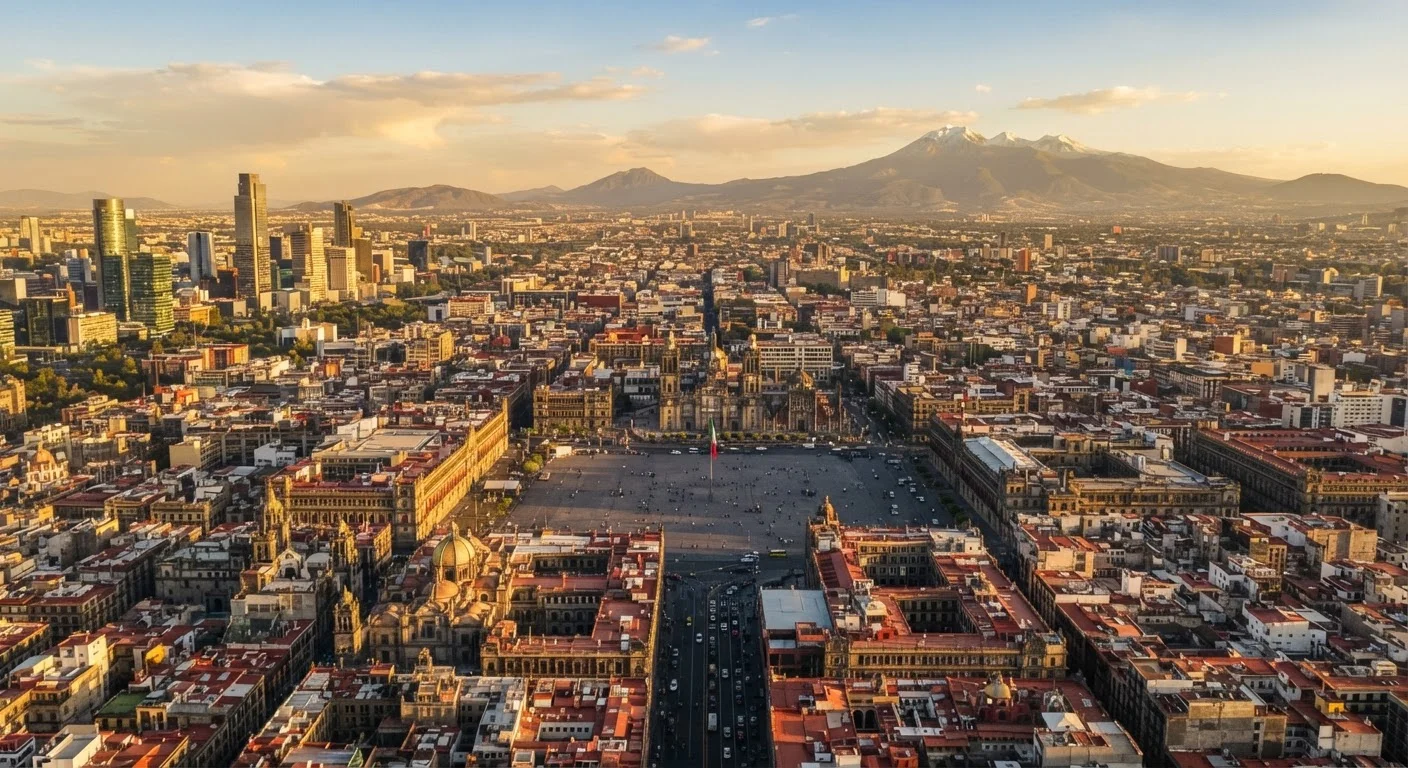
Key Takeaways
- Mexico City sits at roughly 7,350 feet elevation - altitude adjustment is real and worth planning for.
- The city is organized into colonias (neighborhoods); choosing the right one shapes your entire experience.
- The Metro is extensive, affordable, and generally reliable for navigating between major areas.
- Safety conditions vary significantly by colonia - research specific areas rather than generalizing the whole city.
- Spanish is dominant; basic phrases go a long way and are genuinely appreciated by locals.
- Food and daily costs are often lower than major U.S. cities, but tourist-facing services can close that gap quickly.
Understanding the City's Scale and Layout
Mexico City - officially Ciudad de México, or CDMX - is one of the largest metropolitan areas in the Western Hemisphere, home to roughly 22 million people when including its full urban sprawl. First-time visitors frequently underestimate what that means in practice: distances that look manageable on a map can take 45 minutes to cross by car, and neighborhoods that share a city feel nothing alike.
The city is divided into alcaldías (boroughs) and further into colonias (neighborhoods). Most visitors spend the majority of their time in a handful of central and southern colonias. Understanding this structure before you arrive helps you plan realistic daily itineraries rather than overpacking your schedule. A well-structured itinerary is especially important in a city this large, where poor planning can mean hours of unnecessary transit.
Neighborhoods Worth Knowing Before You Go
Where you stay in CDMX shapes almost everything else about your trip. Here is a brief orientation to the colonias that most U.S. travelers encounter:
- Centro Histórico: The historic core, home to the Zócalo, the Metropolitan Cathedral, and dense pre-colonial and colonial history. It is busy, loud, and fascinating - but accommodation options vary widely in quality.
- Roma and Condesa: Tree-lined streets, art deco architecture, parks, and a concentration of cafés and restaurants. These colonias are popular with visitors for good reason - they are walkable and centrally located.
- Polanco: An upscale area with high-end dining, international hotels, and Chapultepec Park nearby. Prices here lean toward international standards.
- Coyoacán: A quieter, more residential area in the south, known for its cobblestone streets, the Frida Kahlo Museum, and weekend markets. It requires more transit time from the center.
Choosing a base in Roma, Condesa, or Polanco gives most first-timers the most accessible starting point.
When choosing a base, favor walkability over centrality to landmarks. A colonia you can navigate on foot at night is more valuable than one that puts you 'close' on a map but requires transit for every errand.
In a city as large and traffic-dense as CDMX, the ability to walk your immediate neighborhood safely and comfortably after dark dramatically reduces logistical stress and improves the overall experience.
Download offline maps and a translation app before landing - connectivity at the airport and during transit can be unreliable, and having both tools available without data is a genuine safety net.
Many first-time visitors to CDMX rely on real-time apps that require an active connection, which creates unnecessary friction during the exact moments - arrival, transit changes - when clear navigation matters most.
Altitude, Climate, and Physical Adjustment
Mexico City sits at approximately 7,350 feet (2,240 meters) above sea level - higher than Denver, Colorado. For visitors arriving from low-altitude cities, this can produce noticeable effects: shortness of breath during light exertion, headaches, disrupted sleep, or mild fatigue during the first day or two.
Most people adjust within 24-48 hours. Practical steps that may help include staying well-hydrated, avoiding heavy alcohol consumption on the first night, and keeping the first day's activities relatively light. Anyone with cardiovascular or respiratory conditions should consult a healthcare provider before traveling to high-altitude destinations.
Climatically, CDMX is mild year-round given its elevation. The dry season (roughly November through April) is generally the most comfortable for visitors. The rainy season (May through October) brings afternoon showers that are typically brief but intense - a light, packable rain layer is worth including in your luggage.
Altitude Can Affect Anyone - Plan for It
Do not assume you will be unaffected by Mexico City's elevation simply because you are young or physically active. Altitude-related symptoms can appear in healthy adults with no warning. Build a lighter first day into your itinerary, prioritize hydration, and consult a healthcare provider before traveling if you have any heart or lung conditions.
Getting Around: Transportation Realities
Mexico City has one of the busiest metro systems in the world - the Sistema de Transporte Colectivo Metro - with 12 lines covering most of the areas visitors care about. It is inexpensive to ride and, outside of rush hours, reasonably navigable even without Spanish fluency, since each station uses a distinct icon in addition to its name.
Rush hours (roughly 7-9 a.m. and 6-8 p.m. on weekdays) are genuinely intense. Certain cars are designated for women, children, and elderly passengers during peak times - these designations are enforced and should be respected.
Rideshare apps operate widely in CDMX and are generally a straightforward option for trips outside metro coverage or late at night. Street taxis hailed from the curb carry a higher risk profile - most visitors and safety advisories recommend using app-based rides instead. Driving a personal vehicle in the city is rarely advisable for visitors unfamiliar with local traffic patterns.
Safety: Context, Not Panic
U.S. news coverage of Mexico often paints a single, undifferentiated picture that does not reflect the experience of most visitors to CDMX. The city is not without real risks, but they are not uniformly distributed. The colonias most frequented by tourists - Roma, Condesa, Polanco, Coyoacán, Centro Histórico - see large numbers of international visitors regularly and have visible police presence.
The U.S. State Department issues travel advisories that are worth reading before departure; the advisory level for Mexico City has historically differed from the advisories applied to certain border states and regions with documented cartel activity. Checking the current advisory directly from the State Department website is the most accurate approach - conditions can change.
Common precautions that apply broadly include: avoid displaying expensive jewelry, cameras, or phones unnecessarily in crowded areas; use ATMs inside banks or commercial buildings rather than on the street; stay aware of your surroundings at night; and share your itinerary with someone at home. None of this is unique to CDMX - the same guidance applies in most large cities worldwide.
Cultural Norms and Practical Etiquette
Spanish is the primary language throughout CDMX. While English is spoken in many tourist-facing businesses, hotels, and upscale restaurants, it is not reliably available everywhere. Learning basic greetings and courtesies - por favor, gracias, disculpe - is genuinely appreciated and smooths interactions considerably.
Mexicans generally value politeness and formality in initial encounters. Greeting someone before launching into a request (even a brief buenas tardes) is the culturally expected norm rather than an optional nicety. Tipping is customary at restaurants - typically 10-15% - and is an important part of service workers' income.
CDMX has a vibrant, cosmopolitan culture that rewards curiosity. Visiting local markets, attending free events in public spaces, and eating at fondas (small family-run restaurants) provides a far richer experience than staying within tourist-specific venues. As with any major city, the most memorable experiences often sit just outside the obvious tourist circuit.
Budget and Cost Expectations
CDMX can be a relatively affordable destination for U.S. travelers, but costs depend heavily on the choices you make. Street food, local restaurants, public transit, and markets are genuinely inexpensive. Meals at fondas or taquerías can cost a fraction of equivalent U.S. prices. The Metro costs only a few pesos per ride.
On the other end, international hotels in Polanco, trendy restaurants in Condesa, and tourist-facing experiences carry pricing that approaches or matches major U.S. cities. Entrance fees to major museums vary - some national museums are free on Sundays, which is worth factoring into your planning.
Currency exchange is best handled through bank ATMs, which typically offer competitive rates. Carrying some cash in pesos is practical, as smaller establishments, markets, and street vendors often do not accept cards. Underestimating incidental spending is one of the most common budget mistakes travelers make - factor in transport, tips, entrance fees, and day-to-day flexibility before finalizing your estimates.
If you are approaching CDMX as part of broader international trip planning, building your itinerary systematically from the ground up will help you account for all moving parts before you book anything.
This article is for general informational purposes only. Travel conditions, safety advisories, visa requirements, and entry rules can change. Always verify current requirements and advisories with official government sources - including the U.S. State Department and Mexican immigration authorities - before you travel.