

Key Takeaways
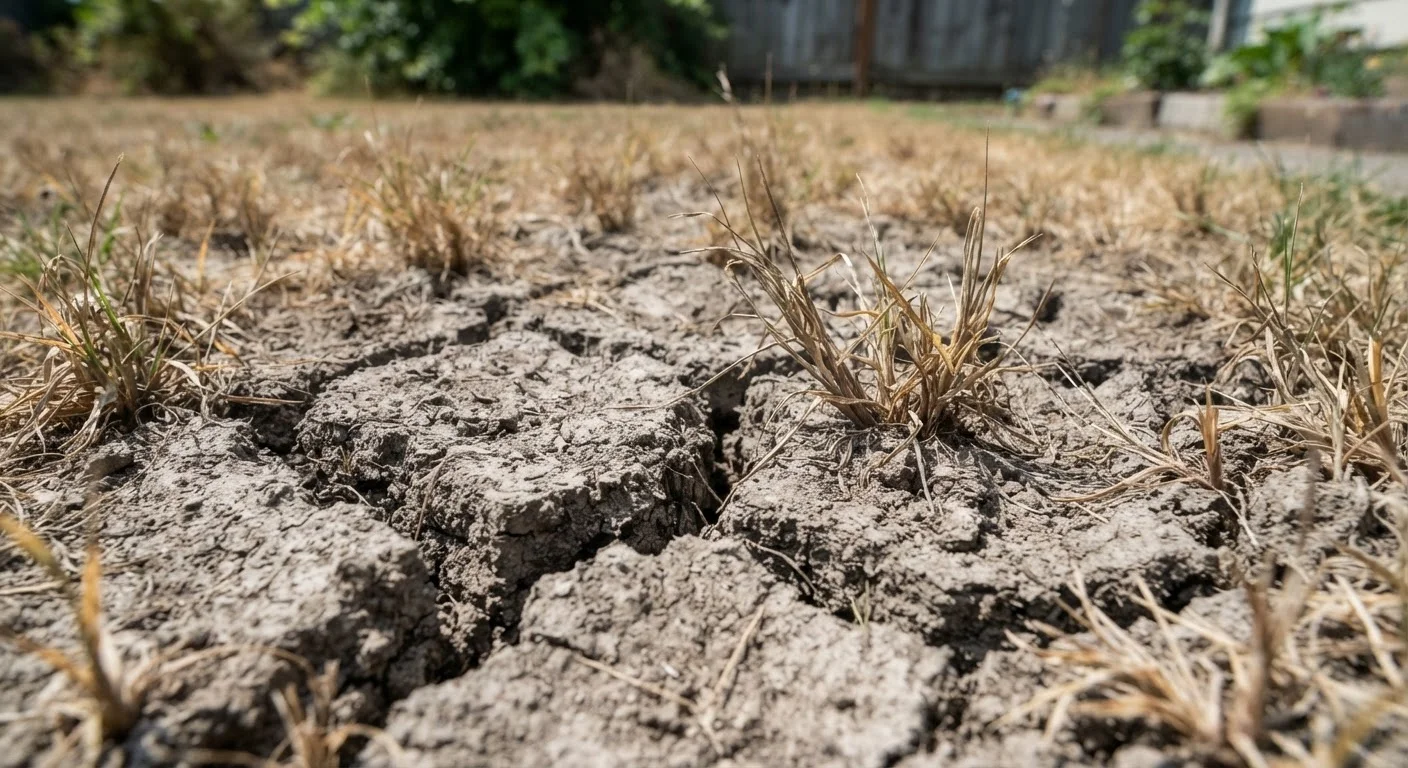
- Compacted soil blocks water, oxygen, and nutrients from reaching grass roots, causing visible decline.
- Common warning signs include water pooling, hard ground, thin grass, and visible surface moss.
- A simple screwdriver test can confirm compaction before you invest in any solution.
- Core aeration is the most effective remedy for moderately to severely compacted lawns.
- Topdressing with compost after aeration accelerates soil structure recovery.
- Preventive habits-like limiting foot traffic and aerating annually-keep compaction from returning.
What you will need
What Soil Compaction Actually Means
Healthy lawn soil is roughly half solid particles and half pore space-channels filled with air and water that roots depend on to grow and absorb nutrients. Compaction occurs when those pore spaces collapse under repeated pressure, squeezing soil particles tightly together. The result is a dense layer that roots cannot penetrate, water cannot drain through, and earthworms and beneficial microbes largely abandon.
Heavy foot traffic, parking vehicles on turf, repeated passes with riding mowers, and even prolonged rainfall can all compact soil over time. Clay-heavy soils are especially vulnerable because their fine particles bind tightly under pressure. If you've noticed your lawn looking dull and thin despite regular watering and fertilizing, compaction may be the underlying cause-and it's worth ruling out before spending more money on inputs that won't help. For other hidden reasons a lawn struggles, see our piece on common garden myths that lead homeowners astray.
How to Spot the Warning Signs
Compaction announces itself in several recognizable ways. Learning to read these signals early prevents further decline and saves you from more intensive restoration work later.
- Water pools or runs off instead of soaking in. When the soil surface is nearly impermeable, irrigation and rainfall shed sideways rather than penetrating. If you see puddles forming minutes after watering, compaction is a prime suspect.
- The ground feels rock-hard underfoot. Walk across your lawn in bare feet or with soft-soled shoes. Healthy soil gives slightly; compacted soil feels almost as solid as packed earth or a dirt path.
- Grass is thin, patchy, or discolored. Roots confined to a shallow zone cannot support vigorous top growth. You may notice thinning in high-traffic corridors while nearby, less-traveled areas stay greener.
- Moss or weeds outcompete grass. Moss thrives in the low-oxygen, poorly drained conditions that compacted soil creates. Certain weeds-like plantain and knotweed-are also well adapted to hard, compacted ground.
- Thatch accumulates faster than usual. Restricted microbial activity slows the decomposition of grass clippings and stems, allowing a thick thatch layer to build up at the surface.
The Screwdriver Test: Quick and Reliable
Push a standard flathead screwdriver 6 inches into the soil using only hand pressure. In healthy, well-structured soil it should slide in with minimal resistance. If you struggle to reach even 3-4 inches, compaction is confirmed and aeration is warranted. Repeat the test in several areas of your yard, as compaction is rarely uniform.
A quick field test: push a standard flathead screwdriver 6 inches into the soil using only hand pressure. In healthy soil, it slides in easily. If you have to work hard or cannot reach 6 inches at all, your soil is likely compacted and ready for treatment.
Step-by-Step: Relieving Lawn Compaction
The right approach depends on how severe the compaction is and the time of year. The steps below apply to most cool-season and warm-season grasses. Pairing this with your spring lawn care checklist can help you sequence tasks efficiently at the start of the growing season.
Confirm compaction with a soil probe or screwdriver test
Before renting equipment, verify that compaction is your actual problem. Push a screwdriver or thin metal rod 6 inches into the soil in several spots around the lawn. Mark areas where resistance is high. Also observe where puddles form after rain and where grass is thinnest-these points typically overlap with the most compacted zones.
Choose the right time to aerate
Aerate when grass is actively growing so it can recover quickly. For cool-season grasses (fescue, bluegrass, ryegrass), early fall is ideal, with early spring as a secondary window. For warm-season grasses (bermuda, zoysia, St. Augustine), late spring through early summer works best. Avoid aerating during drought stress or extreme heat.
Mow slightly shorter than normal and water the day before
Mow your lawn at about one-third less than its typical height before aerating. This improves the machine's access to the soil surface. Water the lawn thoroughly 24 hours before aeration so the soil is moist but not waterlogged-core aerators penetrate moist soil far more effectively than bone-dry ground.
Run a core aerator over the affected areas
Rent or borrow a hollow-tine (core) aerator rather than a spike aerator. Core aerators physically remove small cylinders of soil-typically half an inch wide and 2-3 inches deep-creating genuine channel space. Spike aerators only push soil aside, which can worsen compaction near the holes. Make at least two overlapping passes in perpendicular directions for best results.
Leave the cores on the surface to break down
Resist the urge to rake up the soil plugs. They will break apart within one to two weeks of rainfall or irrigation, returning valuable organic matter and microbes to the surface. Breaking them up with the back of a rake or a light mowing pass can speed the process if their appearance concerns you.
Topdress with compost and overseed if needed
Immediately after aeration, spread a quarter- to half-inch layer of finished compost over the lawn and work it lightly into the aeration holes with the back of a rake. This feeds soil microorganisms, improves moisture retention, and begins rebuilding soil structure. If your lawn has bare or thin patches, overseed now-the open holes created by aeration are ideal seedbeds for germination.
After completing aeration and topdressing, consider how you'll protect the soil going forward. Applying a light layer of compost-based mulch around garden bed borders and high-traffic transition zones can reduce future compaction pressure-our guide on how mulch supports soil health explains the mechanics. Keep in mind that compaction is not the only soil problem that limits lawn performance; if recovery stalls despite proper aeration, it may be worth testing for nutrient imbalances or pH issues. See our article on soil pH and plant health for guidance.
Keeping Compaction from Coming Back
Aeration restores structure, but without changes to how the lawn is used and maintained, compaction will return. A few durable habits make a significant difference.
- Rotate mowing patterns. Running the mower in the same direction every week concentrates wheel pressure in the same tracks. Alternate directions to distribute the load.
- Limit traffic on wet soil. Saturated soil compacts far more easily than dry soil. Stay off the lawn after heavy rain and encourage family and guests to use defined pathways during wet seasons.
- Aerate on a regular schedule. Most lawns benefit from annual core aeration; heavily used or clay-dominated lawns may need it twice a year-once in spring and once in fall.
- Add organic matter consistently. A light annual topdressing of compost-even a quarter-inch layer-gradually improves soil structure, feeds soil organisms, and builds long-term resilience against compaction.
Avoid Aerating Stressed or Dormant Lawns
Aerating when grass is dormant, heat-stressed, or newly seeded can cause more harm than benefit. The lawn needs active growth to recover from the disturbance and fill in the aeration channels. If your area is experiencing a prolonged dry spell, water consistently for several days before scheduling this work.