

Key Takeaways
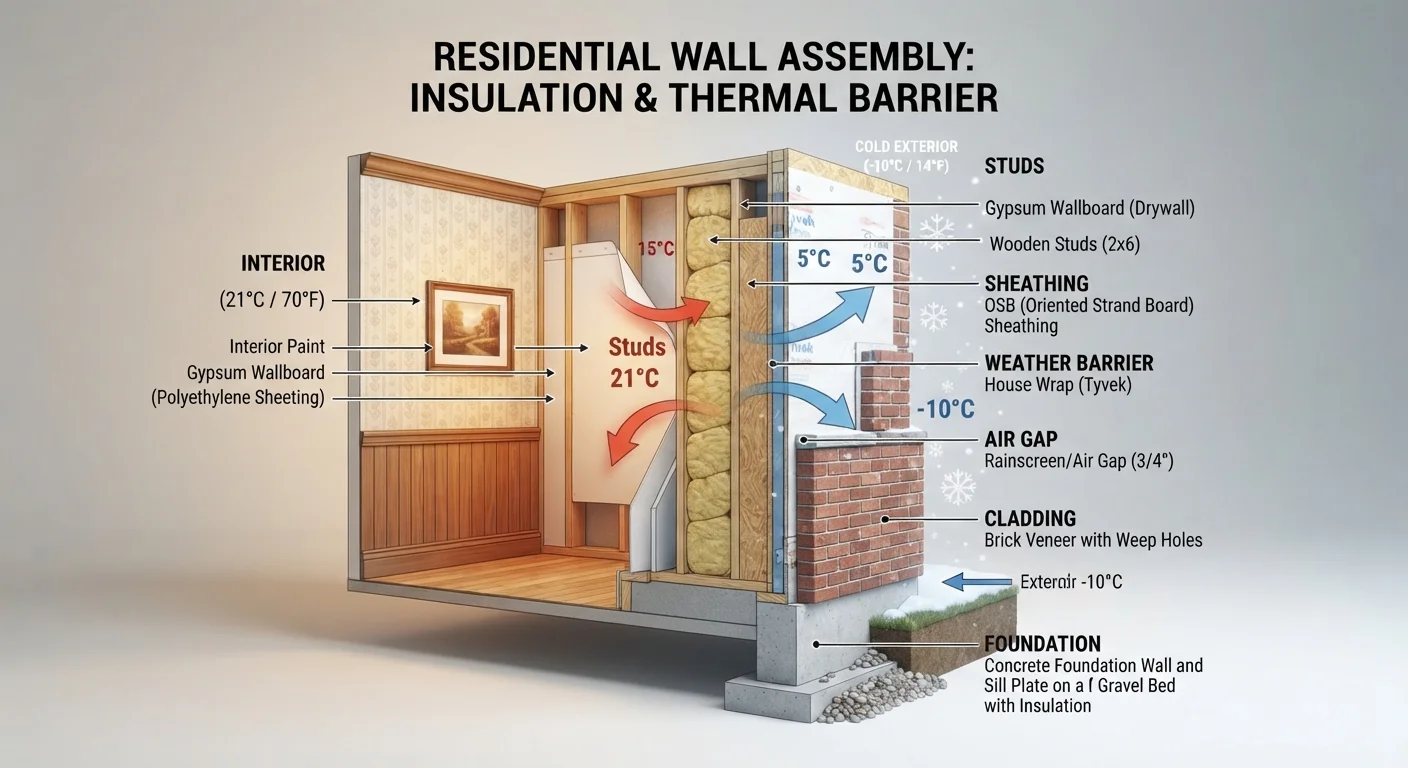
- R-value measures thermal resistance, but it's only useful when insulation is correctly installed without gaps or compression.
- Adding more insulation doesn't always improve performance - diminishing returns set in past certain thresholds.
- Insulation alone doesn't stop moisture; air sealing and vapor management are separate, equally important steps.
- New homes aren't automatically well-insulated - building codes set minimums, not optimal performance levels.
- All insulation types can perform well when properly matched to the application and correctly installed.
Why Insulation Myths Persist
Insulation is one of those home systems that most people never see once the walls go up. That invisibility breeds misconceptions - and those misconceptions can lead to wasted money, uncomfortable rooms, and missed energy savings. Whether you're retrofitting an older home or evaluating a new build, separating fact from fiction is the first step toward making insulation decisions that actually work.
The myths below reflect some of the most widespread misunderstandings among homeowners. Each one sounds reasonable on the surface, which is exactly why they're so persistent.
Myth
A higher R-value always means better insulation performance, regardless of installation.
Fact
R-value is a laboratory measurement of thermal resistance. Real-world performance depends heavily on correct installation - gaps, compression, and air bypasses can drastically reduce effective R-value.
R-value tells you how well a material resists heat flow under controlled conditions. But insulation that is compressed, improperly fitted around obstructions, or installed with gaps can lose a significant portion of its rated performance. Fiberglass batts, for example, lose measurable R-value when compressed to fit a thinner cavity than intended. Proper installation technique and thorough coverage matter as much as the label's number.
Myth
More insulation is always better - you can never have too much.
Fact
Insulation follows a law of diminishing returns. Beyond a certain threshold for your climate zone, adding more has minimal effect on energy performance and may not justify the cost.
The U.S. Department of Energy publishes recommended R-value ranges by climate zone for each area of the home. Going significantly beyond those recommendations offers progressively smaller efficiency gains. In some cases, excessive insulation in attics can restrict airflow if not carefully managed. Matching insulation levels to your climate zone's guidance is a more cost-effective strategy than simply maximizing thickness.
Myth
Insulation keeps moisture out of walls and attics.
Fact
Insulation is not a moisture barrier. Controlling condensation and water vapor requires air sealing and, in many climates, properly positioned vapor retarders - separate measures from insulation itself.
Warm, humid air moving through walls or into attics can condense on cooler surfaces, leading to mold and structural damage. Insulation slows heat transfer but does not stop air movement or vapor diffusion on its own. Air sealing - closing gaps around penetrations, joints, and framing - is the primary defense against moisture-laden air entering the building envelope. In humid or mixed climates, vapor retarder placement is a technical decision best reviewed with a building professional familiar with local conditions.
Myth
New homes are already well-insulated, so there's nothing to improve.
Fact
Building codes establish minimum insulation requirements, not optimal ones. Many newly built homes meet code but fall short of what would produce the best energy performance and comfort.
Builders typically install insulation to code minimums because that's what's required for permit approval. Code compliance doesn't mean the home is optimally efficient. Additionally, construction speed and scheduling pressures sometimes result in installation gaps or compressed batts that aren't caught during inspection. Homeowners in new builds would benefit from an independent energy audit to verify that insulation was installed correctly throughout.
Myth
Spray foam insulation eliminates the need for any other weatherization measures.
Fact
Spray foam, particularly closed-cell, is an excellent air barrier and insulator, but it doesn't replace all weatherization needs. Proper detailing around windows, doors, and penetrations still matters.
Closed-cell spray foam provides a high R-value per inch and acts as both insulation and air barrier, which is a genuine advantage. However, it's not a cure-all. Poorly detailed window and door installations, thermal bridging through framing members, and unaddressed duct leaks can all undermine a home's overall energy performance even after spray foam is applied. No single product addresses every pathway for heat loss or gain.
Myth
Fiberglass insulation is the least effective option compared to modern alternatives.
Fact
Fiberglass remains an effective and widely used insulation material. Its performance per dollar is competitive when installed correctly in appropriate applications.
Modern fiberglass batts and blown-in fiberglass products have improved over the decades. When installed without gaps, compression, or bypasses, fiberglass performs reliably within its rated R-value range. The perception that it's outdated often stems from comparison to spray foam's air-sealing properties - a legitimate distinction, but one of application rather than fundamental material failure. Choosing the right material for each location in the home is more important than defaulting to any single product as universally superior.
The Bigger Picture: Insulation Works as a System
Even the best insulation underperforms when the surrounding system isn't addressed. Air leaks around outlets, plumbing penetrations, and attic hatches can quietly defeat well-insulated walls. Likewise, attic insulation works in tandem with ventilation - not against it. Our guide on attic ventilation explains why airflow and insulation must be balanced rather than treated as competing priorities.
Heating systems also interact with insulation performance. A poorly insulated home forces any system - whether forced air or radiant - to work harder and cycle more frequently. See our comparison of forced air and radiant heat systems to understand how insulation quality affects each approach differently.
Don't Seal Attics Without Checking Ventilation
Adding insulation to an attic without accounting for ventilation can trap moisture and accelerate roof deck deterioration. Before air sealing or insulating an attic, verify that intake and exhaust ventilation pathways remain clear and meet code requirements for your roof type. When in doubt, consult a licensed insulation contractor or building performance specialist.
If you're planning to add or upgrade insulation, reviewing the available material types first helps ensure you're choosing the right product for each specific area of your home. Our insulation types comparison walks through fiberglass batts, spray foam, and blown-in options side by side.