

Key Takeaways
- Gap insurance pays the difference between your loan balance and your car's actual cash value after a total loss.
- New vehicles depreciate rapidly - often losing 20% or more of their value in the first year.
- Drivers who made small down payments or have long loan terms are most likely to benefit from gap coverage.
- Gap insurance is generally not necessary once you owe less than your car is worth.
- It can be purchased through your auto insurer, your lender, or a dealership, often at different price points.
Gap Insurance
Gap insurance - short for Guaranteed Asset Protection - covers the difference between what you owe on a car loan or lease and what your vehicle is actually worth at the time of a total loss. Standard auto insurance pays out based on the car's current market value, which can be significantly less than your remaining loan balance. Gap insurance fills that financial shortfall so you don't end up paying out of pocket on a car you no longer have.
Gap insurance is typically offered as an add-on endorsement through auto insurers or as a separate product through lenders and dealerships. Premium costs and payout structures vary by provider and policy terms.
The Problem Gap Insurance Solves
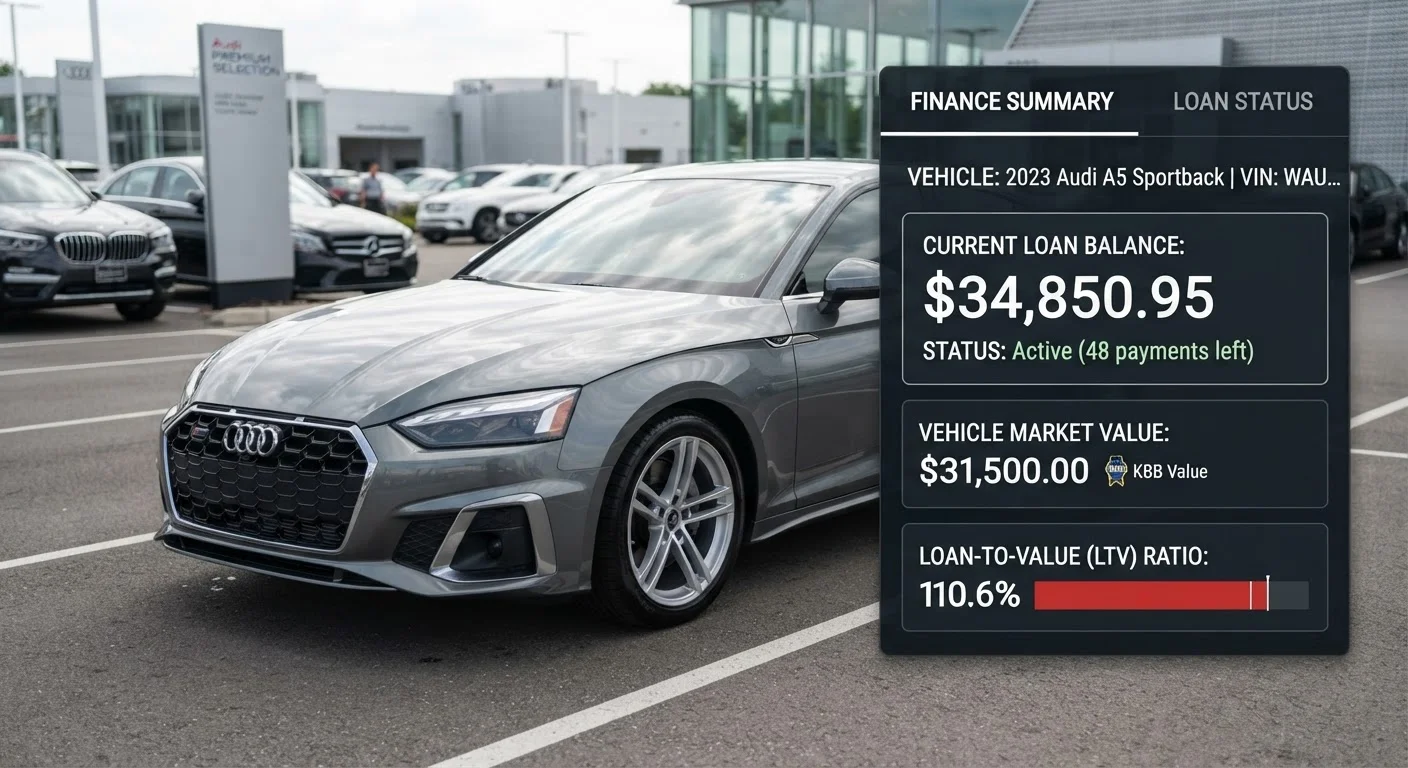
When a vehicle is declared a total loss - whether from a serious accident, theft, or a natural disaster - your standard auto insurer pays out the car's actual cash value (ACV) at that moment. ACV reflects current market value, accounting for depreciation. The problem is that cars depreciate fast, sometimes faster than a loan balance shrinks.
Consider a scenario: you buy a new vehicle for $35,000 and finance most of it. Twelve months later, the car is totaled. Depreciation has brought its market value to $27,000, but you still owe $31,000 on the loan. Your insurer pays $27,000. Without gap coverage, you're responsible for the remaining $4,000 - for a car you can no longer drive.
This gap between what you owe and what the car is worth is exactly what gap insurance addresses. For a broader understanding of how standard auto coverage works before layering in additional products, see Auto Insurance Explained.
~20%
Typical first-year vehicle depreciation
Industry data consistently shows new vehicles can lose roughly 15-20% of their value within the first year of ownership, with depreciation continuing significantly through year five.
~44%
New car buyers financing 72+ month loans
According to Experian's automotive finance data, a substantial portion of new vehicle buyers have opted for loan terms of six years or longer, which increases the period of potential negative equity.
$0
What gap covers if you owe less than ACV
If your loan balance is already below your vehicle's market value at the time of a total loss, gap insurance provides no payout - standard collision or comprehensive would cover the full loss.
Who Gap Insurance Is Designed For
Not every driver needs gap insurance. It's most relevant in situations where a loan balance is likely to exceed the vehicle's value for an extended period. The clearest candidates include:
- Buyers who made a small or no down payment. A low down payment means the loan starts high relative to the car's value - and depreciation can outpace loan repayment quickly in the early years.
- Drivers with long loan terms. Loans stretched over 60, 72, or 84 months pay down principal slowly. Depreciation often runs ahead of the balance reduction during that period.
- Lessees. Many lease agreements require gap coverage because the leasing company retains ownership and wants its asset protected.
- Buyers of vehicles with high depreciation rates. Some models lose value faster than average, increasing the risk of being underwater on the loan.
- Drivers who rolled negative equity from a previous vehicle into a new loan. Starting a loan already above the car's value creates an immediate gap risk.
If you put 20% or more down and have a short loan term, gap insurance may provide little practical benefit - your loan balance may stay below the vehicle's value throughout the loan's life. Understanding collision and comprehensive coverage is a useful first step, since those are the underlying coverages that would trigger a gap payout.
Check Your Equity Before Paying for Gap
Before purchasing or renewing gap insurance, use your lender's payoff quote and check your vehicle's current market value through a resource like Kelley Blue Book or NADA Guides. If your loan balance is already lower than the car's value, gap coverage may no longer be necessary and can be dropped to reduce your insurance costs.
Where to Buy It and What to Watch For
Gap insurance is available through three main channels, and the source matters for cost and terms.
Your auto insurer is often the most straightforward option. Adding gap coverage as an endorsement to an existing policy is typically inexpensive and transparent. You pay a modest addition to your premium.
Dealerships offer gap products at the point of sale, which can feel convenient. However, dealer-sold gap insurance is often priced higher, and the cost is sometimes added to the loan principal - meaning you pay interest on it over time.
Lenders and banks may also offer gap as a separate product or loan add-on. Terms vary, so read carefully and confirm what the policy covers and excludes.
Regardless of source, review the fine print for exclusions. Some gap policies, for example, do not cover overdue payments or negative equity rolled from a prior vehicle. Awareness of common exclusions helps avoid surprises - the kind of surprises covered in our piece on coverage gaps drivers discover too late.
If you're in the process of financing a vehicle, understanding gap insurance fits into broader decisions around the purchase. The Buying a Vehicle hub offers useful context on navigating the financing side of car ownership.
This article is for general informational purposes only and does not constitute personalized insurance or financial advice. Coverage terms, eligibility, and costs vary by provider and individual circumstances. Consult a licensed insurance professional to evaluate what coverage is appropriate for your situation.