

Key Takeaways
- Most coverage gaps aren't discovered until after an accident or loss event occurs.
- Standard liability policies do not cover your own vehicle's damage or theft.
- Loan balances can exceed a totaled car's market value, leaving drivers with unexpected debt.
- Non-owner or infrequent drivers using your vehicle may not be covered under your policy.
- Reviewing your policy before each renewal cycle is the most reliable way to catch gaps early.
Why Coverage Gaps Are So Common
Auto insurance is one of the most widely held financial products in the country, yet a significant number of drivers have only a vague understanding of what their policy actually covers. This isn't necessarily carelessness - it's the predictable result of a complex product sold quickly, often with more emphasis on price than on coverage detail.
Most drivers select a policy during a stressful moment: after an accident, when a registration is due, or under the pressure of a financing requirement. In those circumstances, the focus tends to be on getting covered fast and keeping the premium affordable. The fine print gets skipped, and coverage assumptions take root.
The consequences become visible only at claim time. By then, the policy terms are locked in, the exclusions apply, and the driver is left covering the gap out of pocket. Understanding the most common mistakes - before you need to file a claim - is the most practical form of preparation.
Gaps Are Only Visible After a Claim
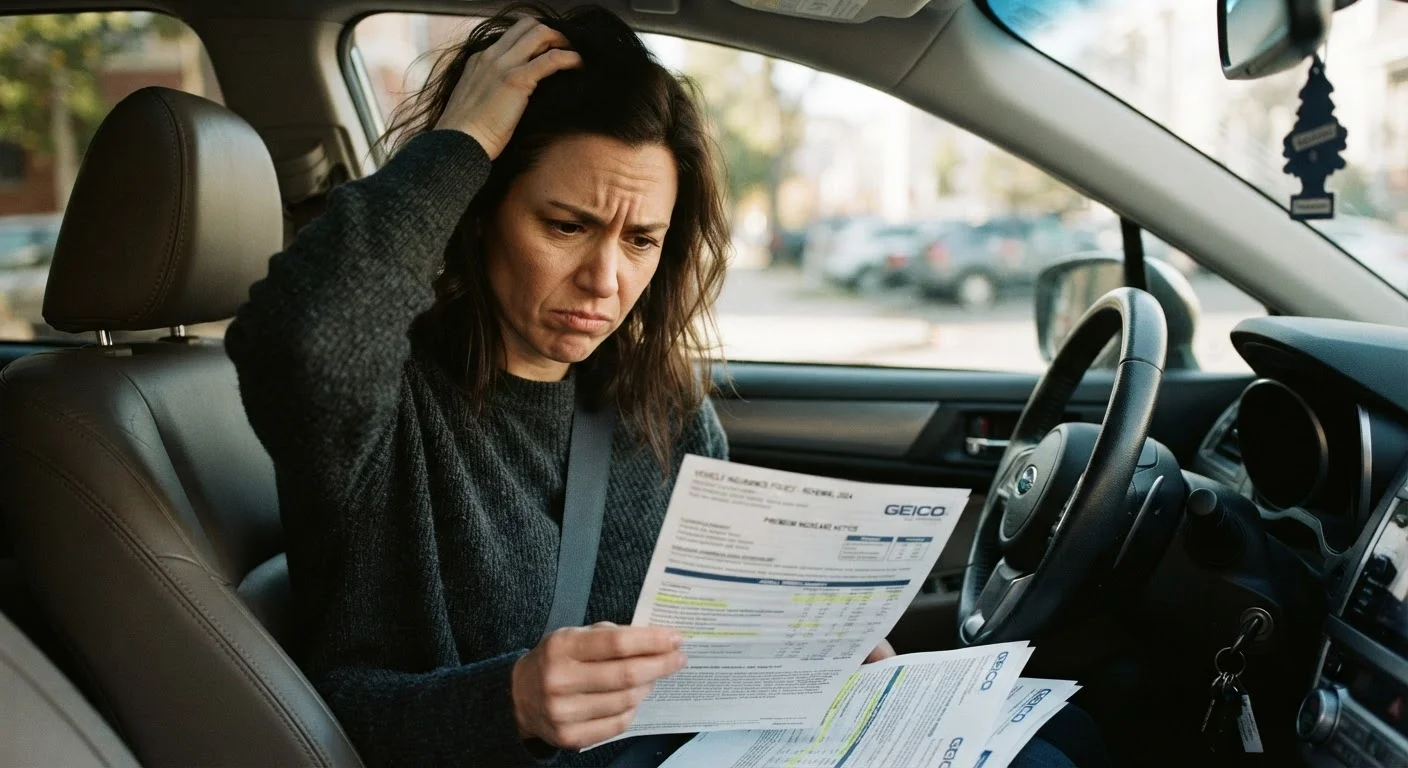
Auto insurance policies are legal contracts, and the exclusions buried in them carry real financial consequences. Most drivers never read their full policy document - which means they discover what isn't covered only after suffering a loss. Reviewing your declarations page and key exclusions before you need them is critical to avoiding a financial shock.
The Most Costly Mistakes Drivers Make
The following errors consistently appear in situations where drivers expected coverage and found none. Each one is preventable with a closer look at your policy terms.
Carrying only liability coverage and assuming all vehicle damage is covered.
Why it happens: Liability insurance is the legal minimum in most states, so many drivers assume it's sufficient. The term 'insured' can feel like a blanket protection when it's actually quite narrow.
Not carrying gap insurance on a financed or leased vehicle.
Why it happens: Drivers often focus on the monthly premium cost rather than the financial exposure of owing more on a loan than a car is worth. The concept of depreciation outpacing loan payoff isn't always explained at the dealership.
Assuming all drivers of your vehicle are automatically covered under your policy.
Why it happens: Many drivers share cars with family members, roommates, or friends without realizing that some policies restrict coverage to listed or resident household drivers. The assumption that 'my insurance covers my car' doesn't always extend to whoever is behind the wheel.
Underestimating uninsured and underinsured motorist exposure.
Why it happens: Drivers tend to focus on their own liability limits and overlook what happens when the other party in an accident is uninsured or carries inadequate coverage. These scenarios feel unlikely until they happen.
Failing to update coverage after a major life change or vehicle purchase.
Why it happens: Policies tend to stay on auto-renewal without adjustment. When drivers move to a new state, add a vehicle, or change how they use their car - such as using it for rideshare work - they often forget that these changes can affect coverage eligibility.
For drivers who have recently purchased a vehicle, it's also worth considering how the car-buying process itself shapes initial coverage decisions - financing terms, dealer add-ons, and registration timelines all interact with what coverage you actually need from day one.
Don't Assume More Coverage Than You Have
Verbal summaries from agents and online quote tools often omit important exclusions. The only authoritative source for what your policy covers is the written policy document itself. If you're unclear about any term or exclusion, ask your insurer to explain it in writing before assuming you're protected.
Making Coverage Review a Habit
The single most effective way to avoid a coverage gap is also the simplest: read your policy. Not just the summary card or the declarations page - the actual policy document, including the exclusions section. If anything is unclear, your insurer is obligated to explain it.
1 in 8
Drivers estimated to be uninsured
The Insurance Research Council has estimated that roughly one in eight motorists on U.S. roads carries no auto insurance at all.
20%+
Cars underwater on their loans at time of total loss
Industry data consistently shows a significant share of financed vehicles carry loan balances that exceed their actual cash value, particularly in the first two years of ownership.
Beyond the initial read, build a habit of reviewing your coverage at renewal. Premiums aren't the only thing that can change - coverage terms, exclusions, and your own life circumstances evolve over time. A policy that fit your situation two years ago may have real gaps today.
Consistent vehicle maintenance is a useful analogy here: just as skipping scheduled service creates problems you don't notice until something breaks, ignoring your policy creates exposure you won't discover until you file a claim. Both require periodic, deliberate attention to avoid a larger problem later.
This article is for general informational purposes only and does not constitute personalized insurance, financial, or legal advice. Coverage terms, exclusions, and regulations vary by insurer and by state. Readers should review their own policy documents and consult a licensed insurance agent or adviser for guidance specific to their situation.