

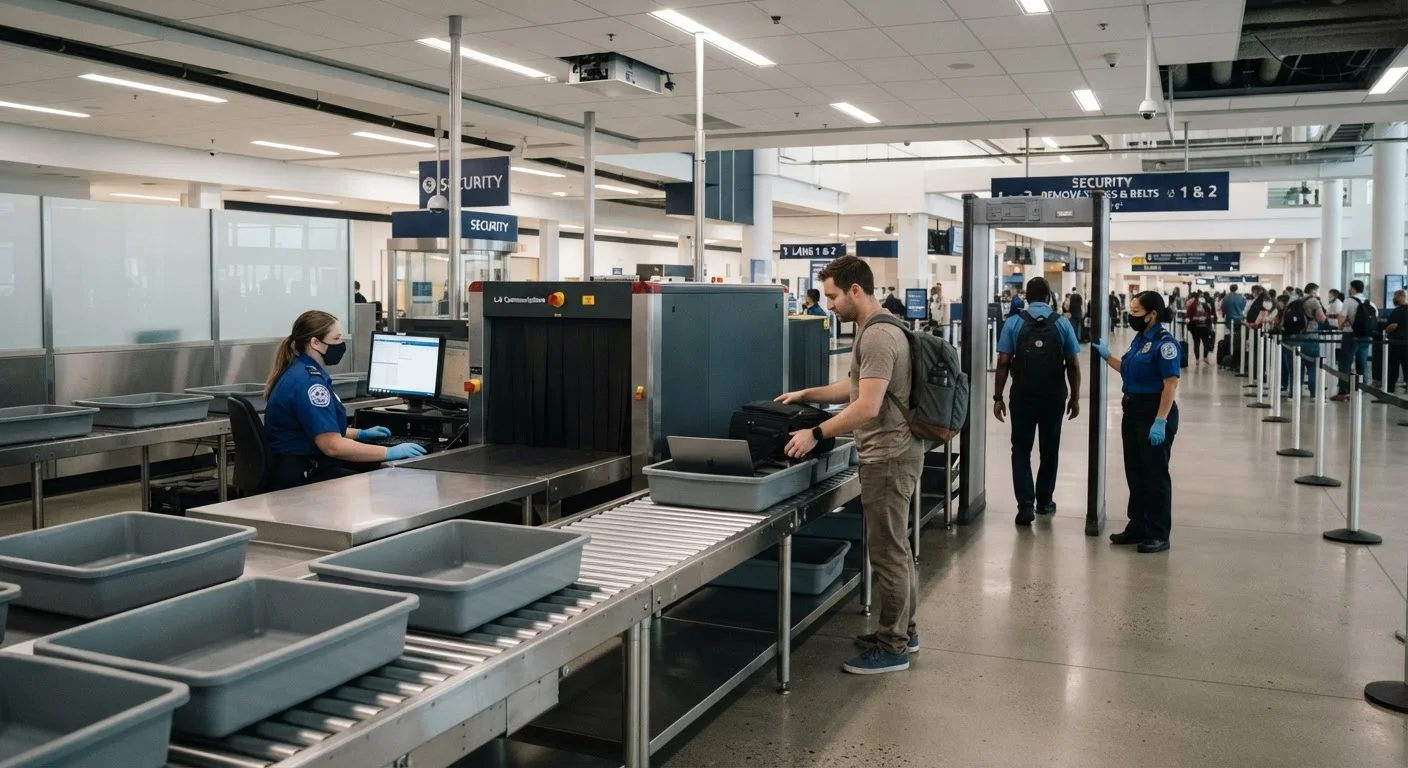
Key Takeaways
- A REAL ID or passport is required for domestic TSA checkpoints starting May 7, 2025.
- Liquids in carry-ons must be 3.4 oz (100 ml) or less and fit in one quart-sized clear bag.
- Laptops and large electronics must be removed from bags at standard security lanes.
- TSA PreCheck members use dedicated lanes and can keep shoes, belts, and laptops in their bags.
- Prohibited items detected at the checkpoint can result in delays or items being confiscated.
- Arrive early - TSA recommends at least 90 minutes before domestic flights, two hours for international.
What you will need
Understanding What TSA Is Actually Checking For
The Transportation Security Administration (TSA) screens passengers and carry-on baggage at U.S. airport checkpoints for items that could threaten aviation safety - not for customs, immigration, or drug enforcement (though officers are required by law to report anything illegal they observe). Understanding this narrow focus helps demystify what the process involves.
Every checkpoint uses a combination of document verification, walk-through or advanced imaging technology (AIT) scanners, X-ray conveyor belts, and in some cases physical pat-downs. Your job as a traveler is simply to help that process move efficiently.
Use TSA's Official Search Tool Before You Pack
The TSA website has a searchable database called 'What Can I Bring?' where you can type in any item - from a curling iron to a snow globe - and see instantly whether it's allowed in carry-on, checked luggage, or neither. Checking ahead prevents surprises at the checkpoint and protects items you'd hate to leave behind.
Before your trip, use the TSA What Can I Bring? search tool at tsa.gov to check whether a specific item is permitted in carry-on or checked luggage. It covers everything from sporting goods to medical devices.
ID Requirements: What You Need at the Document Check
TSA officers verify your identity before you reach the screening equipment. The accepted forms of ID include:
- REAL ID-compliant state driver's license or ID card (marked with a star in the upper corner)
- U.S. passport or passport card
- Department of Defense ID
- Permanent resident card
- Trusted Traveler program cards (Global Entry, NEXUS, SENTRI)
Starting May 7, 2025, standard (non-REAL ID) driver's licenses will no longer be accepted at federal checkpoints for domestic travel. Check your state's DMV website to confirm whether your license is already compliant. If you're traveling internationally, your passport doubles as acceptable ID regardless of REAL ID status.
For a full pre-departure document review, see our pre-trip checklist to make sure nothing slips through the cracks.
REAL ID Enforcement Begins May 7, 2025
After this date, a standard (non-compliant) state driver's license will not be accepted as identification at TSA checkpoints. If your license does not display a star marking, bring your U.S. passport instead or visit your state DMV to upgrade before you fly. Check your state DMV's website for current processing times, as some states have significant wait periods.
The Liquids Rule and What Goes in Your Bins
The 3-1-1 liquids rule applies to all carry-on bags at standard checkpoints:
- Each liquid, gel, or aerosol container must be 3.4 oz (100 ml) or smaller.
- All containers must fit in one quart-sized, clear, resealable plastic bag.
- Each passenger is limited to one such bag, removed from carry-on and placed in a bin for X-ray.
Exceptions exist for medically necessary liquids (including certain medications, baby formula, and breast milk), which may exceed 3.4 oz and must be declared to the officer before screening. See our guide to flying with medications for documentation tips specific to prescription and over-the-counter items.
Beyond liquids, here's what standard checkpoint lanes require you to remove and place in bins:
- Shoes (must come off)
- Belt and bulky outerwear
- Laptops and tablets (out of the bag, in their own bin)
- Liquids bag
- Any metal items from pockets
Keeping these items accessible before you reach the belt significantly reduces the time you spend at the conveyor.
TSA PreCheck and Other Expedited Screening Programs
TSA PreCheck is a risk-based screening program that grants vetted travelers access to dedicated, faster lanes where many standard requirements are waived. PreCheck members do not need to remove shoes, belts, light jackets, laptops, or their liquids bag.
To enroll, applicants complete an online form, schedule an in-person appointment at an enrollment center, provide fingerprints and identity documents, and pay an application fee. Approval is typically communicated within a few days. Once approved, your Known Traveler Number (KTN) is added to your airline profile, and a PreCheck indicator appears on your boarding pass when the lane is available for your flight.
Other programs serve different traveler profiles:
- Global Entry - Includes PreCheck benefits and expedited re-entry to the U.S. from international destinations through automated kiosks. Requires a more extensive background check and interview.
- CLEAR - A separate, privately operated biometric identity verification service that replaces the document-check line but does not replace TSA screening itself. CLEAR can be used alongside PreCheck.
If you travel internationally and want to understand broader entry logistics, our destination checklist covers visa, entry, and health requirements worth reviewing before you book.