

Key Takeaways
- Nonstop flights from the U.S. West Coast to Japan typically take 10-14 hours; East Coast travelers should expect layovers or longer totals.
- Japan's rail network is among the world's most punctual, but navigating it requires some advance research.
- Cash is still widely used in Japan; carrying yen is advisable even in major cities.
- Cultural customs around shoes, noise, and public behavior differ noticeably from American norms.
- Seasonal timing significantly affects both the experience and the crowds you'll encounter.
- Verify visa requirements, entry conditions, and travel advisories with official U.S. government sources before booking.
Japan as a Travel Destination
Japan is an island nation in East Asia offering a distinctive mix of ancient temples, modern cities, mountain landscapes, and a deeply rooted cultural etiquette system. For American travelers, it represents a long-haul journey - typically 12 to 14 hours by nonstop flight from the West Coast - to a destination where English signage is limited but infrastructure is highly organized. Understanding what the trip actually involves, logistically and culturally, helps set realistic expectations before you go.
Japan operates on Japan Standard Time (JST), which is UTC+9 - either 13 or 14 hours ahead of U.S. Eastern Time depending on daylight saving time. This significant time difference means jet lag planning is an important part of trip preparation.
Getting There: What the Flight Actually Looks Like
From the U.S. West Coast - Los Angeles, San Francisco, Seattle - nonstop flights to Tokyo (Narita or Haneda) or Osaka (Kansai) run roughly 10 to 12 hours. From the East Coast, figure on 13 to 16 hours total, often with a connection. This is a genuine long-haul trip, and the 13- to 14-hour time difference means most travelers experience noticeable jet lag in both directions.
Arriving at a major Japanese airport is generally smooth. Signs are in English and Japanese, immigration lines are orderly, and customs procedures are clearly posted. If you're arriving at Tokyo Narita, note that it sits roughly 37 miles from central Tokyo - the train connection takes about an hour and is an experience in itself.
Before booking, use our destination checklist to make sure you've researched entry requirements, any required vaccinations, and travel insurance options specific to long-haul trips.
Getting Around Inside Japan
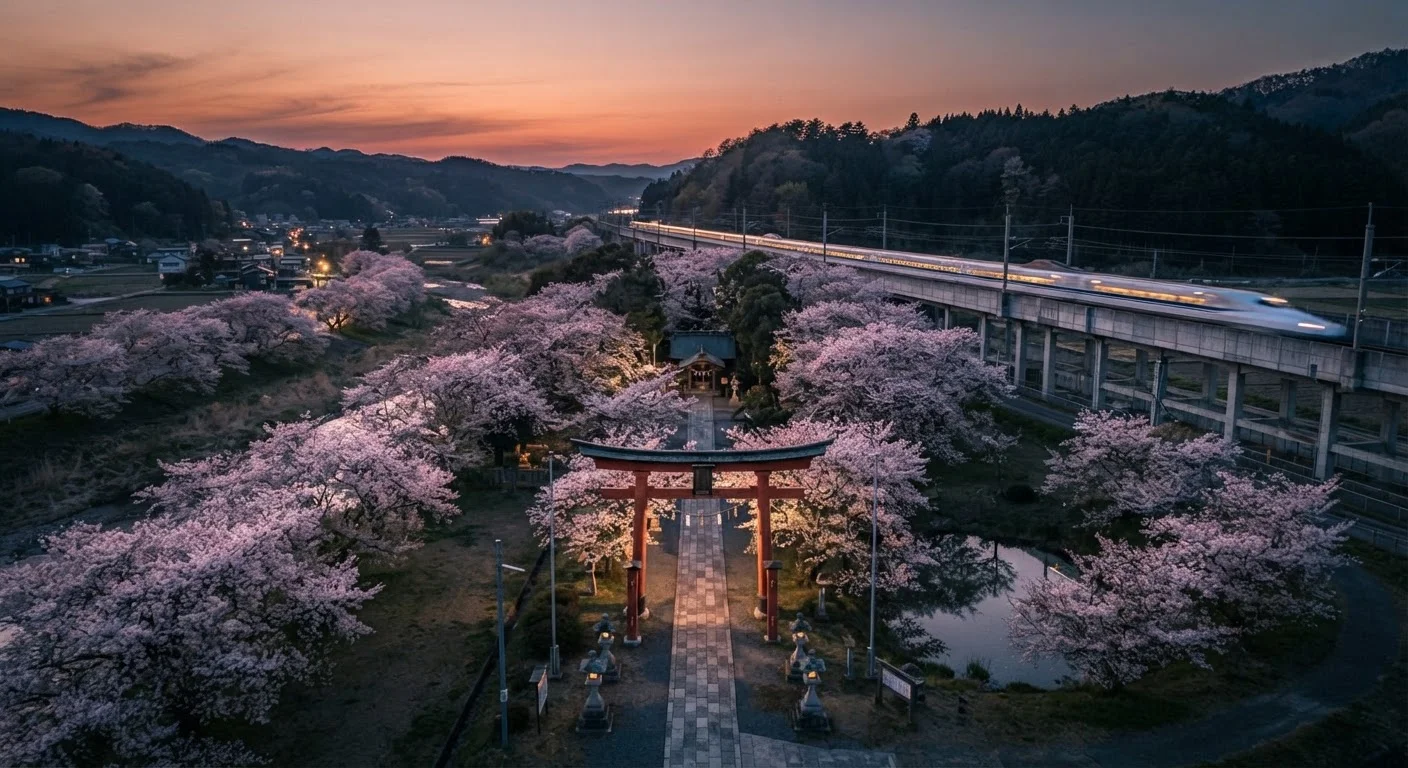
Japan's rail system is one of the most efficient in the world. The Shinkansen (bullet train) connects major cities at speeds up to 200 mph, making city-hopping practical in ways driving never would be. A Tokyo-to-Osaka trip that would take about eight hours by car takes roughly two and a half hours by Shinkansen.
The Japan Rail Pass is a prepaid rail pass available to foreign tourists that can reduce costs significantly if you're traveling between multiple cities. It must be purchased before you arrive in Japan, so planning ahead matters. Research current pricing and coverage carefully, as the pass isn't cost-effective for everyone depending on the itinerary.
Download Transit Apps Before You Arrive
Japan's subway maps can look daunting, but routing apps take the guesswork out of navigating. Load Google Maps offline maps for your destinations before boarding your flight, so you're not dependent on airport Wi-Fi or a data plan at arrival. Purchasing a prepaid SIM card or pocket Wi-Fi device in advance is also worth researching before you go.
Within cities, subway systems are fast and inexpensive, but the maps can look overwhelming at first glance. Downloading the Japan Official Travel App or a routing app like Google Maps with offline maps loaded in advance will make city navigation far less stressful.
If you're building your first itinerary, our travel itinerary guide covers how to structure multi-city trips so transit time doesn't eat your days.
Cultural Customs That Differ From American Norms
Japan has a distinctive set of social customs that visitors are generally expected to observe, even as a foreigner. A few of the most practically important ones:
- Shoes off indoors: Many traditional restaurants, ryokan (inn) rooms, and private homes require removing shoes at the entrance. You'll often see a step-up threshold and a row of slippers as the signal.
- Quiet in public transit: Phone calls on trains are strongly discouraged. Conversations are kept low. This is noticeably different from American subway culture.
- No tipping: Tipping is not part of Japanese service culture and in some contexts can be considered awkward or confusing. Good service is the standard expectation, not something rewarded with extra cash.
- Cash matters: Despite being a technologically advanced country, cash remains the preferred payment method at many restaurants, vending machines, and local shops.
Customs Mistakes Are Common and Forgivable
Most Japanese people are accustomed to foreign visitors making honest mistakes with local customs. A respectful, observant attitude goes further than trying to memorize every rule. Learning a few basic phrases - arigatou gozaimasu (thank you) and sumimasen (excuse me/pardon me) - is genuinely appreciated and signals good intent.
Most Japanese people are accustomed to foreign visitors making honest mistakes with customs. A respectful, observant attitude goes further than trying to memorize every rule. Learning a few basic phrases - arigatou gozaimasu (thank you), sumimasen (excuse me) - is genuinely appreciated.
Choosing When to Go
Japan's seasonal experience varies dramatically. Cherry blossom season (late March to mid-April, varying by region and year) is one of the most iconic travel periods in the world - and also among the most crowded and expensive. Hotels and popular sites can book out months in advance.
Autumn foliage (mid-October through November) offers comparable beauty with slightly thinner crowds. Summer is hot, humid, and busy with domestic tourists around the Obon holiday period in August. Winter - outside of the New Year holiday window - is genuinely uncrowded and can be a practical time to visit if you don't mind colder weather, particularly in Tokyo or Osaka.
If this will be your first independent international trip, our first-timer's planning walkthrough can help you think through seasonal timing alongside logistics like accommodations and transportation booking windows.
~12 hrs
Average nonstop flight time from U.S. West Coast to Tokyo
Flight duration varies by departure city and airline routing; East Coast travelers typically require a connection or additional transit time.
3.2M+
American visitors to Japan in a recent pre-pandemic year
According to Japan National Tourism Organization data, the U.S. has consistently been one of Japan's top sources of international visitors.
2.5 hrs
Shinkansen travel time from Tokyo to Osaka
Japan's bullet train network makes intercity travel between major destinations faster than most equivalent distances in the U.S.