

Key Takeaways
- Short-term stress is a normal, protective biological response - not inherently harmful.
- Cortisol and adrenaline are the primary hormones driving the stress response.
- Chronic stress, sustained over weeks or months, is linked to measurable health effects.
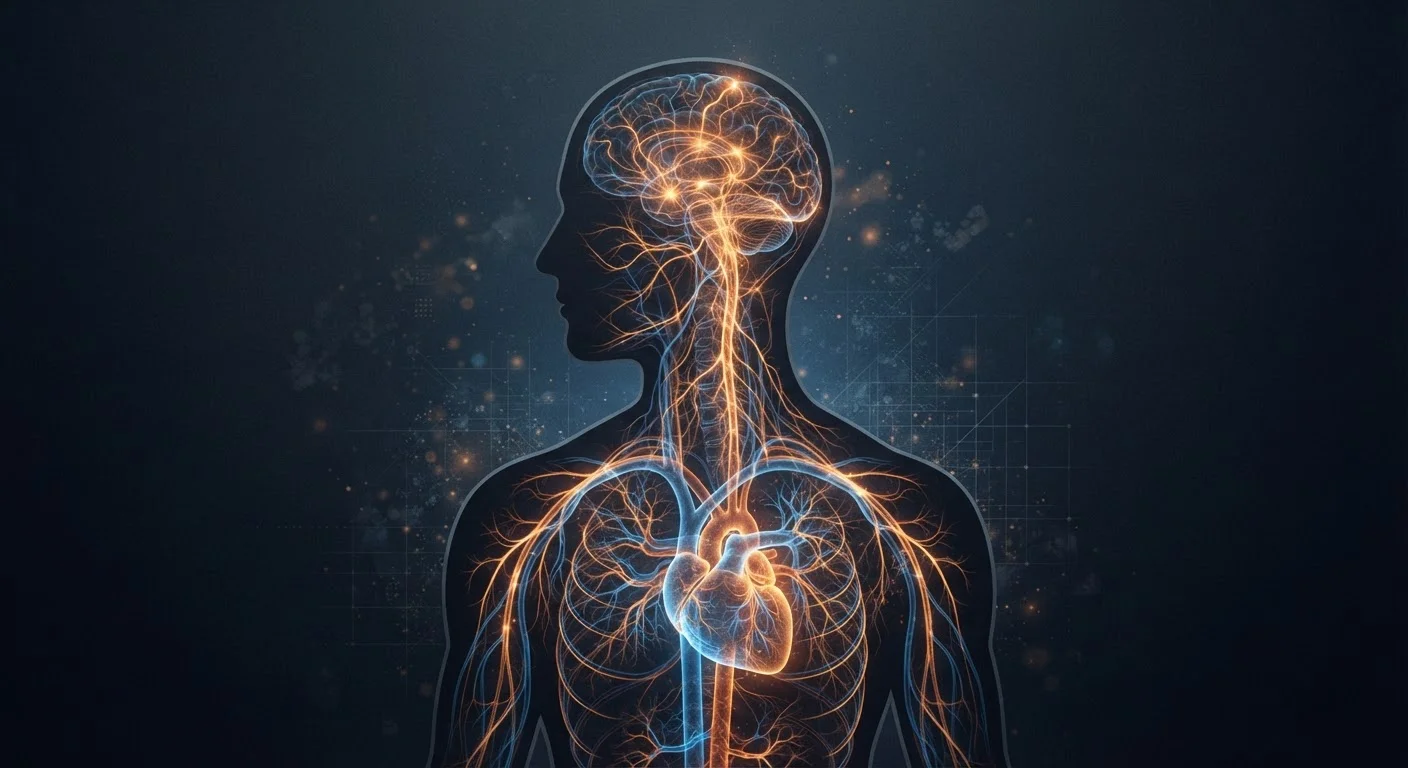
- The brain and body are deeply interconnected in how they process and react to stress.
- Stress differs from anxiety - distinguishing them helps you respond more effectively.
- Evidence-based strategies can meaningfully reduce the physical burden of chronic stress.
Stress Response
The stress response is your body's automatic, built-in reaction to perceived threats or demands. It involves a coordinated set of hormonal, neurological, and physical changes designed to help you cope with a challenging situation. In short bursts, this response is protective and normal. When it stays activated over long periods, it can begin to affect multiple body systems.
Physiologically, the stress response is mediated by the hypothalamic-pituitary-adrenal (HPA) axis and the sympathetic nervous system, working together to release hormones including adrenaline (epinephrine) and cortisol.
The Biology Behind Fight-or-Flight
When your brain perceives a threat - whether a car swerving into your lane or a difficult conversation with your manager - a rapid chain of events unfolds. The hypothalamus, a small region at the base of your brain, signals the adrenal glands to release adrenaline (epinephrine). Your heart rate climbs, your muscles tense, your breathing quickens, and blood is redirected away from digestion toward your limbs. This is the classic fight-or-flight response, and it is an evolutionary asset.
Within minutes of the initial adrenaline surge, a second hormonal wave follows. The hypothalamic-pituitary-adrenal (HPA) axis triggers the release of cortisol from the adrenal cortex. Cortisol sustains the alert state by keeping blood sugar elevated and temporarily dialing down bodily functions - like immunity and reproduction - that aren't immediately necessary for survival. Once the perceived threat passes, cortisol levels are meant to return to baseline. That recovery phase is critical.
“Stress is not the enemy. It is the body's request for change. The problem is when the request never gets answered and the alarm never turns off.”
— Robert Sapolsky, Neuroendocrinologist and author of 'Why Zebras Don't Get Ulcers'
What Happens When Stress Becomes Chronic
The system described above is well-suited to short, acute challenges. The problem emerges when the 'off switch' is rarely activated. Modern stressors - financial pressure, relationship conflict, caregiving demands, work overload - often don't resolve quickly, and the brain's threat-detection circuits don't always distinguish well between a physical danger and a persistent worry.
When cortisol remains elevated over weeks or months, research has documented a range of downstream effects:
- Cardiovascular system: Sustained stress is associated with elevated blood pressure and increased inflammation, both recognized risk factors for heart disease.
- Immune function: While brief stress can actually sharpen immune defenses, chronic stress tends to suppress them, potentially increasing susceptibility to infections.
- Digestive health: The gut has its own complex nervous system and is acutely sensitive to stress hormones, which can worsen symptoms of conditions like irritable bowel syndrome.
- Sleep: Elevated cortisol in the evening interferes with the hormonal drop needed to initiate sleep, creating a reinforcing cycle of stress and poor rest.
- Brain structure: Prolonged stress exposure has been associated in research with changes in areas of the brain involved in memory and emotion regulation, including the hippocampus and prefrontal cortex.
77%
Adults reporting physical symptoms from stress
According to the American Psychological Association's Stress in America surveys, a substantial majority of adults report experiencing physical symptoms they attribute to stress, including fatigue, headache, and muscle tension.
2-3×
Elevated cardiovascular risk with chronic stress
Research published in peer-reviewed cardiovascular journals has found that individuals with high chronic work stress face roughly two to three times the risk of certain cardiovascular events compared to low-stress counterparts, after controlling for other risk factors.
~30 min
Time for cortisol to peak after a stressor
Under laboratory-induced stress conditions, studies typically find cortisol levels peak approximately 20-30 minutes after the stressor begins and then begin declining - highlighting how quickly the hormonal response can escalate.
For a broader look at how mental and physical health interconnect, see how the mind and body communicate.
Stress vs. Anxiety - A Key Distinction
Stress and anxiety share physiological overlap - both activate the HPA axis and produce many of the same physical sensations - but they are not interchangeable terms. Stress is generally a response to an external pressure that tends to ease once the situation changes. Anxiety involves a persistent sense of threat or worry that can linger even when no clear stressor is present.
Misidentifying anxiety as ordinary stress (or vice versa) can lead to unhelpful responses. Someone managing genuine anxiety disorder with 'just relax' strategies may not get the targeted support they need. Our related piece, the emotion you're calling anxiety might be something else, explores this distinction in practical terms.
This article is for general informational purposes only and does not constitute medical or psychological advice. If you are experiencing significant stress or mental health concerns, please consult a qualified healthcare professional.
What the Evidence Supports for Managing Stress
Understanding the biology of stress is useful precisely because it points toward interventions with a genuine evidence base. Strategies that activate the parasympathetic nervous system - sometimes called the 'rest and digest' system - can counteract the sustained arousal of chronic stress. These include diaphragmatic (deep belly) breathing, progressive muscle relaxation, regular moderate-intensity aerobic exercise, and consistent, adequate sleep.
Social connection also has a measurable physiological effect: research has shown that positive social interaction can reduce cortisol output and buffer the cardiovascular effects of acute stress. Cognitive approaches, such as those used in cognitive behavioral therapy (CBT), help people examine and modify the thought patterns that keep the threat-detection system activated unnecessarily.
For a structured overview of approaches supported by research, stress-management approaches backed by research offers a practical starting point. And if you're dealing with travel-related stress or disruption to your body's rhythms, our article on how time zones affect your body is a useful companion read.
No single strategy works universally. Individual responses to stress differ based on genetics, life history, current health status, and available resources. A healthcare provider or licensed mental health professional can help you identify what approaches make the most sense for your situation.
Track Your Stress Patterns Before Reacting
Keeping a brief daily log of when you feel most stressed - what triggered it, how your body responded, and how long it lasted - can reveal patterns that aren't obvious in the moment. This information is also useful to share with a healthcare provider or therapist if you decide to seek support. You don't need a formal app; a simple notebook works just as well.