

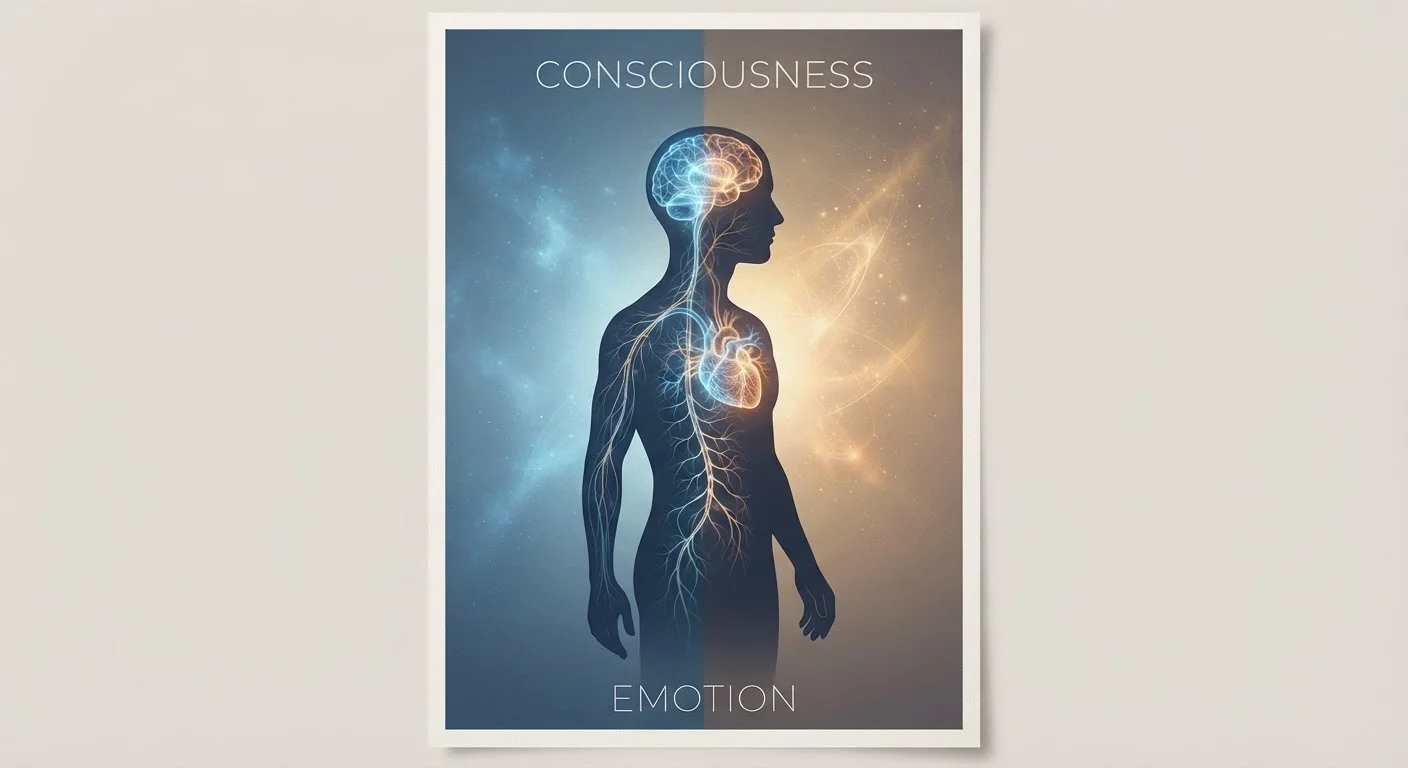
Key Takeaways
- The brain and body exchange constant signals through the nervous, hormonal, and immune systems.
- Chronic stress can produce measurable physical changes, including elevated inflammation markers.
- Emotional states like anxiety frequently manifest as physical symptoms such as chest tightness or digestive upset.
- Practices that calm the nervous system can support both mental and physical health outcomes.
- Understanding this connection helps remove stigma around conditions where no single "physical" or "mental" cause is found.
Mind-Body Connection
The mind-body connection refers to the ongoing, bidirectional relationship between your thoughts, emotions, and mental states and your physical health. Psychological stress can trigger real physical symptoms, while physical conditions can profoundly affect mood and cognition. This is not a metaphor - it is rooted in measurable biological processes involving the nervous, endocrine, and immune systems.
Researchers study this relationship under the field of psychoneuroimmunology (PNI), which examines how psychological factors influence neural signaling and immune function at a cellular level.
The Biology Behind the Conversation
Every thought you have, every emotion you feel, produces a corresponding biological event. The brain communicates with the rest of the body through three primary channels: the autonomic nervous system, the endocrine (hormonal) system, and the immune system. These pathways are not parallel - they interact constantly, forming a web of feedback loops that influence everything from heart rate to digestion to inflammatory response.
When you perceive a threat - whether it's a car swerving into your lane or a looming work deadline - the hypothalamus signals the adrenal glands to release stress hormones, including cortisol and adrenaline. Heart rate increases, digestion slows, and muscles tense. This is the well-documented fight-or-flight response, and it is as much a physical event as a mental one. Learn more about what stress does inside the body and why it matters for long-term health.
75-90%
Doctor visits linked to stress-related conditions
The American Psychological Association and various clinical sources cite estimates suggesting that a substantial majority of primary care visits involve a stress-related component, though exact figures vary by study methodology.
500 million
Neurons in the enteric nervous system
The enteric nervous system - the neural network lining the gastrointestinal tract - contains roughly this many neurons, according to established gastroenterology literature.
2x
Increased depression risk with chronic pain
Research published in journals of pain medicine consistently shows that people living with chronic pain face roughly double the risk of developing clinical depression compared to those without chronic pain.
When Mental States Become Physical Symptoms
The clearest evidence that mind and body are inseparable comes from what happens when psychological distress goes unresolved. Anxiety commonly produces chest tightness, shortness of breath, gastrointestinal distress, and muscle pain - symptoms that can be indistinguishable from certain cardiac or digestive conditions on first presentation. Depression is associated with real changes in inflammation markers, sleep architecture, and pain sensitivity.
These are not patients "imagining" symptoms. Functional MRI studies show that social rejection activates the same brain regions as physical pain. Grief is associated with measurable cardiac changes. The term psychosomatic has been widely misunderstood as dismissive, but its clinical meaning simply acknowledges that the mind (psyche) and body (soma) are part of the same system.
Recognizing this helps dismantle stigma. Someone whose chronic pain has no clear structural cause is not exaggerating - the experience is neurologically real, even when its origin is multifactorial. For a look at persistent misconceptions, see common mental health myths that are still widespread.
The Gut-Brain Axis: A Two-Way Street
One of the most actively researched examples of mind-body communication is the gut-brain axis - the bidirectional signaling network connecting the gastrointestinal tract and the central nervous system. The gut houses the enteric nervous system, a dense mesh of roughly 500 million neurons that can operate semi-independently and communicates with the brain primarily via the vagus nerve.
This connection explains why anxiety often precedes digestive upset, and why gut problems - such as irritable bowel syndrome - frequently co-occur with mood disorders. Emerging research also suggests that the gut microbiome (the ecosystem of bacteria living in your intestines) may influence mood-related neurotransmitter pathways, though this area of science is still developing and causal conclusions remain premature.
Emerging Research - Interpret With Caution
The gut microbiome's influence on mental health is a rapidly developing area of scientific inquiry. While early findings are intriguing, current evidence does not yet support specific dietary or probiotic interventions as treatments for mood disorders. Be cautious of products or claims that outpace what the science actually demonstrates. Always discuss gut-health concerns with a qualified healthcare provider.
Practical Implications for Daily Wellness
Understanding the mind-body relationship is not just intellectually interesting - it points to practical, evidence-informed approaches to wellness. Interventions that calm the autonomic nervous system, such as diaphragmatic breathing, progressive muscle relaxation, and mindfulness, have been shown to reduce physiological markers of stress in controlled studies. Mindfulness practice, stripped of jargon, can be a useful starting point for those new to these approaches.
Reflective practices like journaling may also help by externalizing emotional states and reducing rumination - though the evidence has nuance worth understanding. Read what the research suggests about journaling before assuming it works the same for everyone.
Sleep, physical movement, and social connection are each supported by research as stabilizers of both mood and physical health - partly because they directly modulate the same hormonal and nervous system pathways that stress dysregulates. Periodically checking in with your own mental state is a practical first step; a structured approach can be found in this mental wellness check-in routine.
This article is for general informational and educational purposes only and is not a substitute for professional medical or mental health advice, diagnosis, or treatment. Always consult a qualified healthcare provider with questions about your health.