

Key Takeaways
- Filing a claim triggers a structured process: report, investigation, damage assessment, and settlement.
- Your insurer assigns an adjuster who evaluates fault, coverage, and repair costs on your behalf.
- Understanding your deductible and coverage limits beforehand helps prevent surprises at settlement.
- You have the right to negotiate a settlement if you believe the initial offer undervalues your loss.
- Not every incident warrants a claim - minor damage may cost less to pay out of pocket.
What you will need
Before You File: Know Your Policy
The claims process becomes far less stressful when you already understand your policy. Before an incident ever happens, it's worth reviewing your coverage types, deductibles, and limits. Your auto insurance declarations page is the best starting point - it summarizes exactly what you're covered for and at what amounts.
Also consider whether filing is even the right move. If the repair estimate is close to or below your deductible, paying out of pocket may be more cost-effective than triggering a claim that could affect your premium at renewal. For a broader grounding in how policies work, see our auto insurance primer.
What you will need
Step-by-Step: What Happens After You File
Once you've decided to proceed, the claims process follows a relatively predictable sequence. Here's what to expect at each stage.
Report the Incident to Your Insurer
Contact your insurance company as soon as it is safe and practical to do so - most insurers have 24-hour claims lines and mobile apps. Provide the basic facts: date, location, what happened, and whether any other vehicles or people were involved. Avoid speculating about fault at this stage; stick to observable facts.
An Adjuster Is Assigned to Your Claim
Your insurer will assign a claims adjuster - either an employee of the company or an independent contractor - to investigate the incident. The adjuster reviews the facts, evaluates coverage, and determines how much the insurer is liable to pay. They may contact you, any other drivers involved, and witnesses, and will review the police report if one exists.
Damage Is Assessed
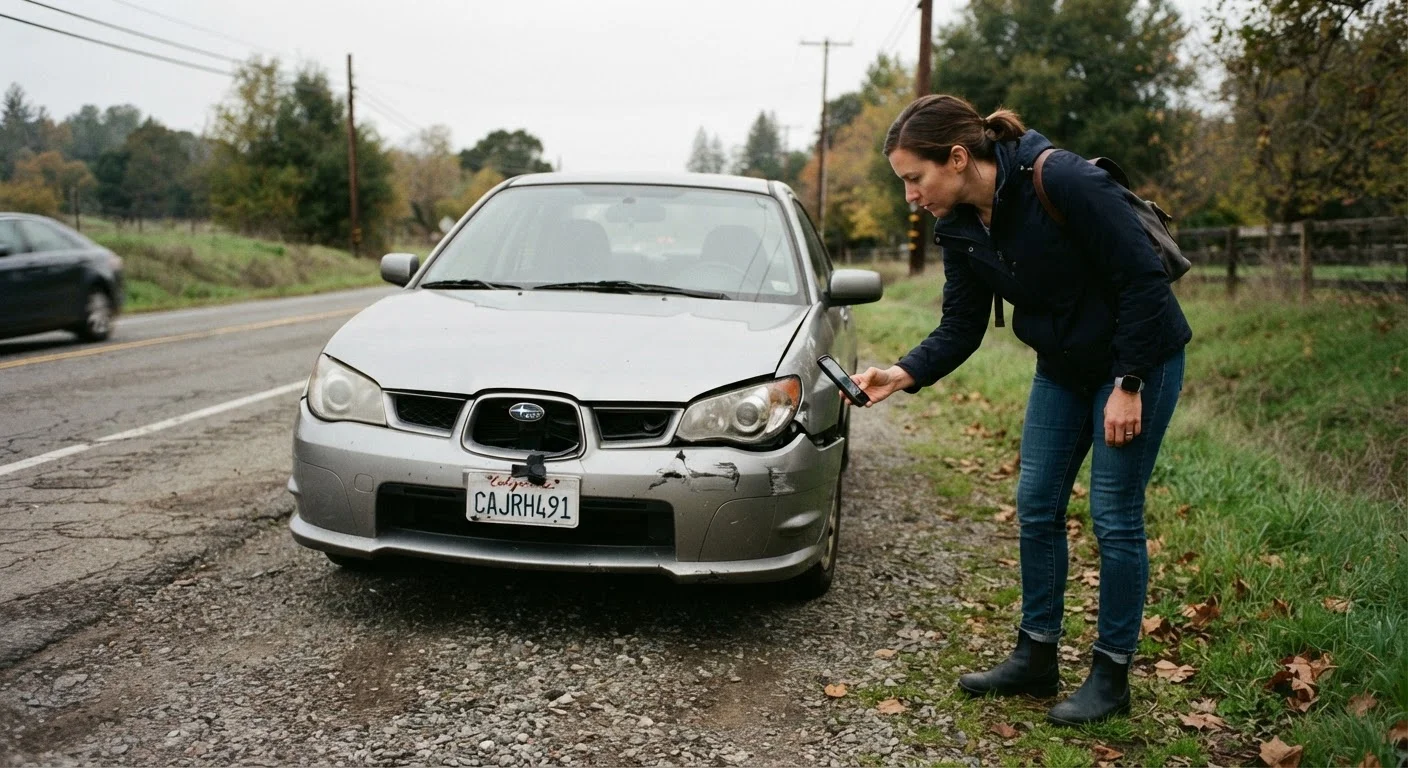
For vehicle damage claims, the adjuster will arrange an inspection - either at a repair shop, at a designated drive-in claims center, or through a virtual photo-based estimate. The insurer produces a repair estimate based on parts and labor costs in your area. If the repair cost exceeds the vehicle's actual cash value (ACV), the insurer will typically declare it a total loss and offer a settlement based on the vehicle's pre-accident market value rather than repair costs.
Coverage and Liability Are Confirmed
Before issuing any payment, the adjuster confirms that the incident falls within your covered policy period and that the type of loss is covered under your specific policy. They'll also establish fault - which affects which insurer pays and under what coverage. In a multi-car accident, liability may be shared, which can affect your payout and your premium going forward.
Settlement Is Offered and Finalized
Once the investigation is complete, the insurer issues a settlement offer. For repair claims, payment typically goes directly to the repair shop, with you paying your deductible separately. For total-loss claims, the insurer pays you (or your lender, if you have a car loan) the agreed value minus your deductible. Accepting the settlement usually closes the claim, so review the offer carefully before signing any release.
Document Everything Throughout the Process
Keep a running record of every interaction with your insurer: dates, names, and a brief summary of what was discussed. Save all written correspondence and store copies of estimates, receipts, and photos in one place. This documentation is invaluable if a dispute arises or you need to escalate your claim.
Common Sticking Points and How to Navigate Them
Claims don't always move in a straight line. Two situations trip up drivers most often.
Disputed fault: In accidents involving another driver, both insurers investigate independently. If fault is contested, the process may slow down significantly. Your insurer represents your interests, but you may also want to consult an attorney if liability is seriously disputed or injuries are involved.
Low settlement offers: An initial settlement offer on a total-loss or repair claim isn't necessarily final. If you believe the insurer's valuation of your vehicle or repair costs is inaccurate, you can provide supporting documentation - comparable vehicle listings, independent repair estimates, or a written appraisal - and formally request reconsideration. Most policies also include an appraisal clause that outlines a dispute process.
Familiarizing yourself with key insurance terminology - such as actual cash value, subrogation, and diminished value - can help you follow these conversations more confidently.
This article is for general informational purposes only and does not constitute insurance, legal, or financial advice. Coverage terms, claim procedures, and outcomes vary by insurer and policy. Consult your insurance provider or a licensed professional for guidance specific to your situation.