

Key Takeaways
- Usage-based insurance ties your premium to actual driving habits, not just demographic estimates.
- Pay-per-mile policies charge a flat base rate plus a per-mile fee - ideal for low-mileage drivers.
- Data collected typically includes mileage, speed, hard braking, acceleration, and time of day.
- Enrollment is usually voluntary, and some programs offer a participation discount just for joining.
- Privacy tradeoffs are real - drivers share detailed behavioral data in exchange for potential savings.
- These programs generally suit low-mileage, cautious drivers; high-mileage or aggressive drivers may not save.
Usage-Based Auto Insurance
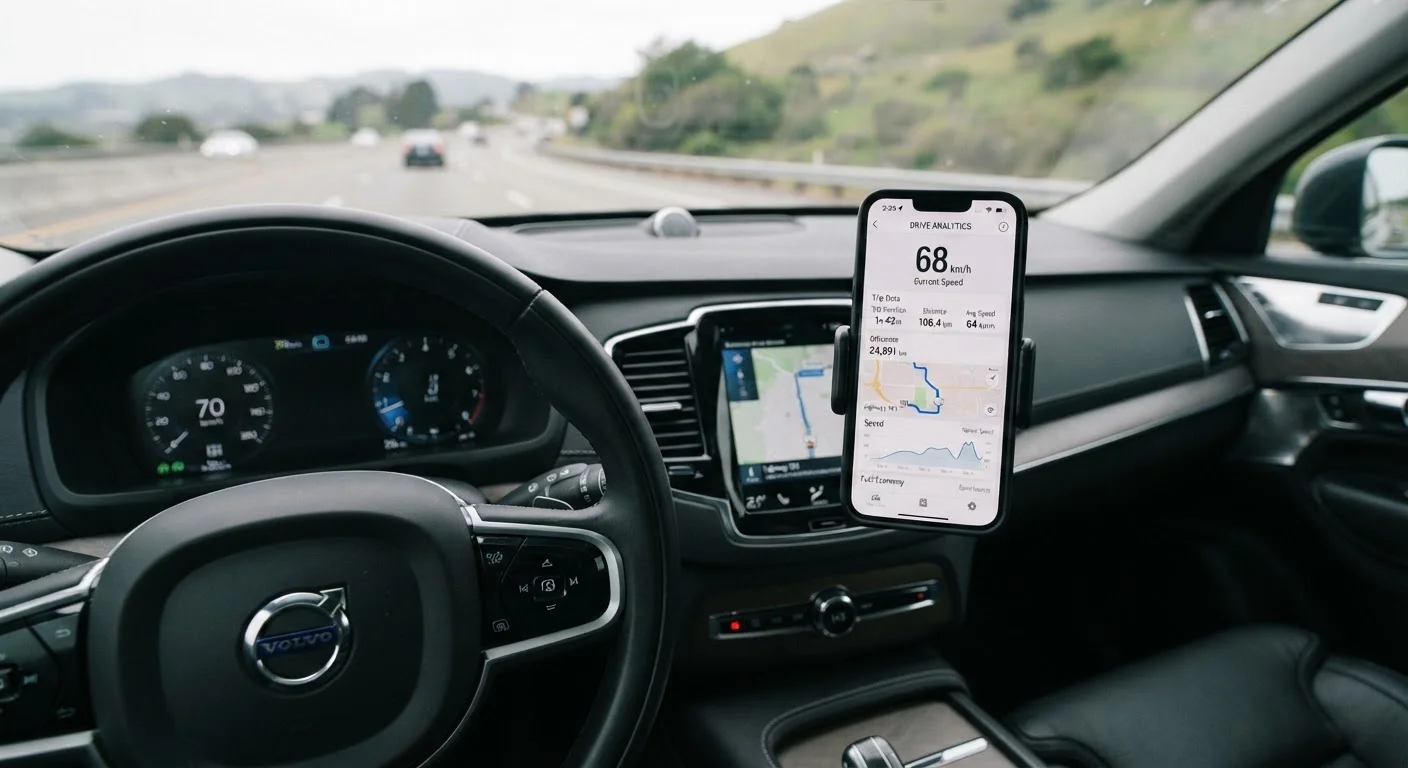
Usage-based insurance (UBI) is an auto insurance model where your premium is calculated - at least in part - based on how you actually drive, rather than solely on demographic factors like age or ZIP code. Insurers collect data through a mobile app or a plug-in device to measure behavior such as mileage, speed, braking, and the time of day you drive. Pay-per-mile insurance is a closely related model that focuses specifically on how many miles you drive, charging a base rate plus a per-mile fee.
UBI programs are sometimes called telematics insurance, because they rely on telematics technology - onboard diagnostics combined with GPS or cellular data - to transmit real-time driving data to the insurer.
Two Models, One Core Idea
Traditional auto insurance pricing relies heavily on statistical proxies - your age, driving record, credit history, and ZIP code - to estimate how risky you are as a driver. Usage-based insurance takes a different approach: it attempts to measure risk more directly by observing how you actually behave behind the wheel.
There are two primary structures to understand:
- Behavior-based UBI: Your premium reflects a combination of traditional rating factors plus a score derived from your driving data. Smooth braking, moderate speeds, and avoiding late-night trips typically improve your score.
- Pay-per-mile insurance: You pay a fixed base rate - covering parked-car risks like theft or weather damage - plus a per-mile charge for every mile driven. The behavioral dimension is largely removed; distance is the main variable.
Both models are voluntary in the sense that no state currently mandates them. Drivers opt in, usually during a new policy purchase or at renewal. For a broader foundation on how auto insurance is structured, see our guide to auto insurance basics.
What Gets Measured and How
Data collection happens through one of two methods: a small plug-in device (often called a dongle) that connects to your vehicle's OBD-II port, or a smartphone app. Many insurers have shifted toward app-based programs, since most drivers already carry their phones.
Common data points collected include:
- Miles driven - the most universally tracked metric
- Speed and speeding events - how often and how far above the limit
- Hard braking and rapid acceleration - proxies for aggressive or inattentive driving
- Time of day - late-night driving carries statistically higher accident risk
- Phone handling - some apps detect distracted driving behavior
Insurers use this data to assign a driving score, which is then applied as a discount modifier - or, in some programs, as a factor that can also raise your rate. The scoring algorithms are proprietary and vary between providers.
~13,500
Average annual miles driven per U.S. driver
According to the Federal Highway Administration, the average American driver logs approximately 13,500 miles per year - a baseline pay-per-mile programs are priced around.
20-40%
Potential discount range cited by some UBI programs
Some insurers have cited potential discounts in this range for drivers who demonstrate consistently safe behavior, though actual savings vary widely by provider, program, and individual driving data.
3 in 4
U.S. insurers offering some form of telematics program
Industry analyses have found that the majority of major U.S. auto insurers now offer at least one usage-based or telematics-enabled product, reflecting significant market growth since the early 2010s.
Understanding what shapes your rate more broadly is worthwhile. Our article on why your premium is what it is covers the full range of rating factors insurers use.
Who These Programs Are Designed For
Usage-based programs tend to favor two distinct driver profiles:
- Low-mileage drivers - Anyone driving well below the national average of roughly 13,000-15,000 miles per year can see meaningful savings on a pay-per-mile plan. This includes remote workers, retirees, urban residents with transit access, or households with a secondary vehicle that rarely leaves the garage.
- Demonstrably cautious drivers - If your day-to-day driving is smooth, unhurried, and mostly during daylight hours, behavior-based UBI can convert that real-world caution into a lower premium that demographic data alone might not reflect.
Conversely, high-mileage commuters, drivers with unpredictable schedules, or anyone uncomfortable sharing detailed location and behavior data may find traditional pricing more suitable. There's no universally correct answer - the fit depends on individual circumstances.
Ask About Participation Discounts First
Many UBI programs offer an upfront discount simply for enrolling and allowing data collection, regardless of how your driving scores. If you're on the fence about the behavioral tracking, check whether the participation discount alone makes enrollment worthwhile - it can offset some premium cost even if your score doesn't improve your rate further.
It's also worth noting that your driving habits interact with other factors that influence your premium over time. Our piece on factors that quietly affect your auto insurance rate explores several variables drivers often overlook.
Privacy, Data, and What to Read Before You Enroll
Enrolling in a telematics program means entering a data-sharing arrangement with your insurer. Before signing up, it pays to understand several things:
- Data retention: How long does the insurer store your trip data? Does it expire after your policy term, or is it held indefinitely?
- Third-party sharing: Can your data be shared with affiliates, data brokers, or used in non-insurance contexts? Policies vary widely.
- Rate impact guarantees: Some programs promise the telematics data can only help your rate, not hurt it. Others reserve the right to adjust rates upward based on poor scores. This distinction matters significantly.
- Opt-out consequences: If you stop participating mid-term, how is your rate recalculated?
These aren't reasons to avoid the programs - they're reasons to read the terms carefully. A licensed insurance agent can help you compare specific program structures and assess whether the potential premium savings justify the data tradeoff for your situation. This article provides general educational information and is not personalized insurance advice; coverage terms, eligibility, and rate impacts vary by insurer, program, and state.
For a practical approach to evaluating any policy, including UBI options, our policy renewal checklist offers a useful framework.