

Key Takeaways
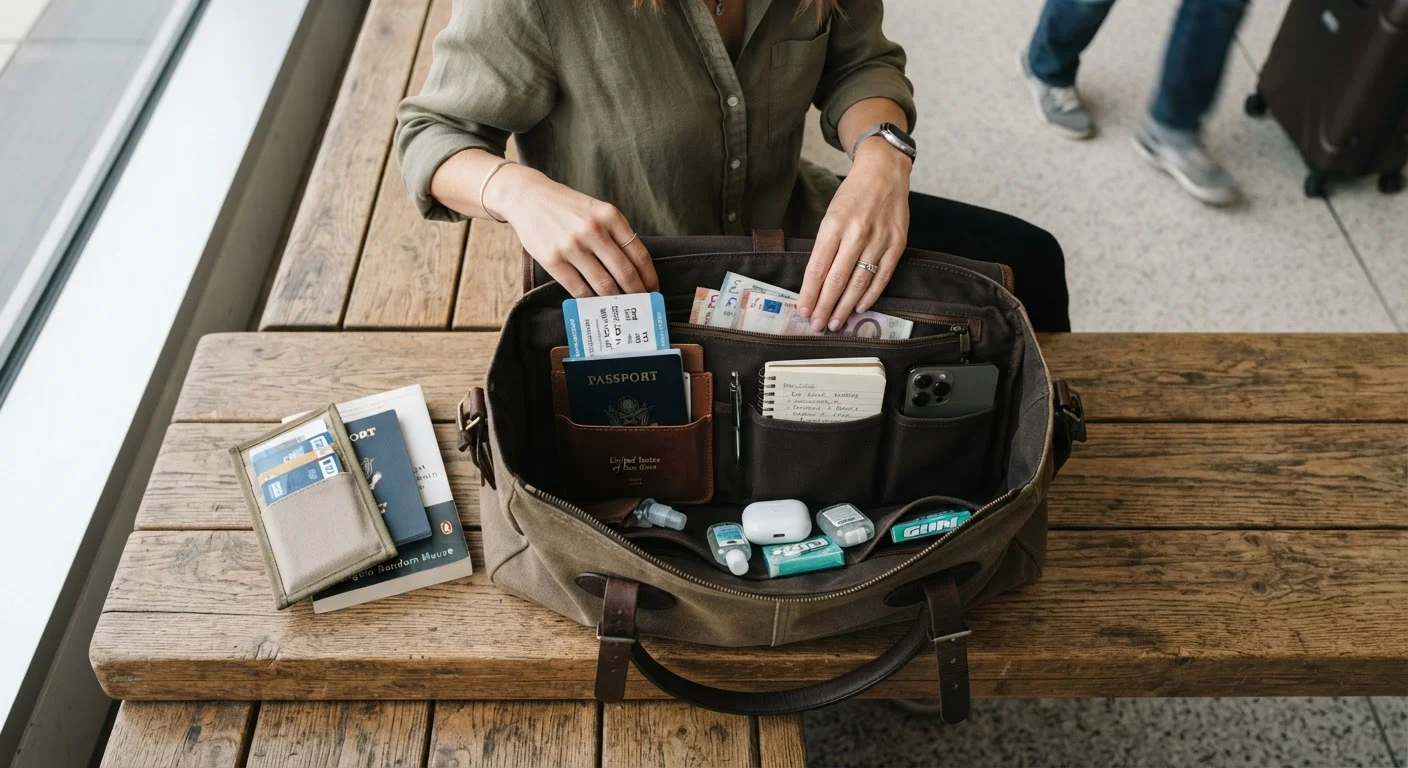
- Distributing valuables across multiple bags and pockets dramatically reduces your exposure in a single theft incident.
- Digital backups of key documents - passport, itinerary, insurance - can save you hours of stress if originals are lost.
- Most travel theft is opportunistic; visible awareness and basic precautions deter the majority of incidents.
- Hotel safes, money belts, and RFID-blocking sleeves address different threat types - knowing which to use matters.
- Public Wi-Fi without a VPN puts financial and personal data at measurable risk - treat it accordingly.
Why Belongings Go Missing - and What Actually Helps
The most common causes of lost or stolen travel belongings aren't dramatic heists - they're distraction, routine carelessness, and predictable situations that experienced travelers learn to anticipate. Crowded transit stations, busy restaurant patios, and chaotic airport security lines account for a large share of reported losses. Understanding the context is the first step toward addressing it.
This guide walks through proven, practical habits for protecting your passport, cash, devices, and luggage without turning your trip into an exercise in anxiety. The goal is preparedness, not paranoia. For a broader look at pre-departure planning, see our pre-trip checklist that covers these and other readiness basics.
Document Security: Your Passport Is the Priority
Your passport is the single hardest item to replace abroad, and losing it can derail an entire trip. A few habits reduce that risk substantially.
Carry your physical passport only when you genuinely need it - at border crossings, hotel check-ins, or currency exchanges. For everyday sightseeing, a clear photo of the photo page stored in your phone's secure folder (and emailed to yourself) is often sufficient for identification and will speed any replacement process if the original is lost.
Store physical documents in a front-facing, zipped compartment or a flat money belt worn under clothing. Avoid keeping your passport, all your cash, and your primary credit card in the same place. If one location is compromised, the others remain intact. Our article on planning for things that go wrong includes a full section on document loss contingencies.
Cash, Cards, and Digital Safety
Splitting money across two or three locations - a money belt, a wallet, and a locked bag - means a pickpocket or a forgotten bag results in a setback rather than a crisis. Keep only what you'll spend that day accessible; the rest stays secured.
For cards, notify your bank before travel and carry at least two payment methods from different networks. If one is blocked or compromised, the other remains usable. RFID-blocking card sleeves or wallets add a practical layer against contactless skimming, which is a real if uncommon threat.
On public Wi-Fi - airports, cafes, hotels - avoid logging into financial accounts or entering passwords without a virtual private network (VPN). A VPN encrypts your connection and prevents interception on unsecured networks. Many reputable options are available; choose one with a clear privacy policy and no-logs commitment.
Bags and Devices: Everyday Habits That Make a Difference
Keep bags in front of you or on your lap in crowded areas - not hanging off the back of a chair or sitting on the floor beside you. Crossbody bags with hidden or lockable zippers are harder to access quickly than open-top totes or backpacks worn loosely.
For checked luggage, consider TSA-approved locks. They won't prevent determined tampering, but they deter casual opportunism and keep zippers from popping open in transit. When packing, keep truly valuable items - jewelry, electronics, medications - in your carry-on rather than checked bags, which leave your control for extended periods. Our guide to choosing between checked bags and carry-ons covers this trade-off in more detail.
For devices, enable remote-wipe and location tracking on your phone and laptop before departure. Use strong, unique PINs on all devices and avoid auto-connecting to open networks.
Hotel Rooms and Accommodations
Hotel room safes are appropriate for passports, extra cash, and spare cards when you're out exploring. Check that the safe actually works on arrival - a surprising number go unreported when they don't. Larger valuables like laptops can often be stored at a hotel's front desk upon request.
Avoid leaving devices or valuables visible through windows in ground-floor rooms, and use the door's deadbolt and security latch when inside. These simple habits apply equally to vacation rentals and hostels, where access may be less controlled than in traditional hotels.
Before your trip, confirm whether your homeowner's or renter's insurance extends to travel theft - some policies do, with conditions. Travel insurance policies may also cover stolen belongings up to certain limits; review the specific terms carefully, as exclusions vary widely. For a structured pre-departure walkthrough, see our pre-trip preparation checklist.