

Key Takeaways
- Many high-traffic national parks now require timed entry reservations that must be booked weeks in advance.
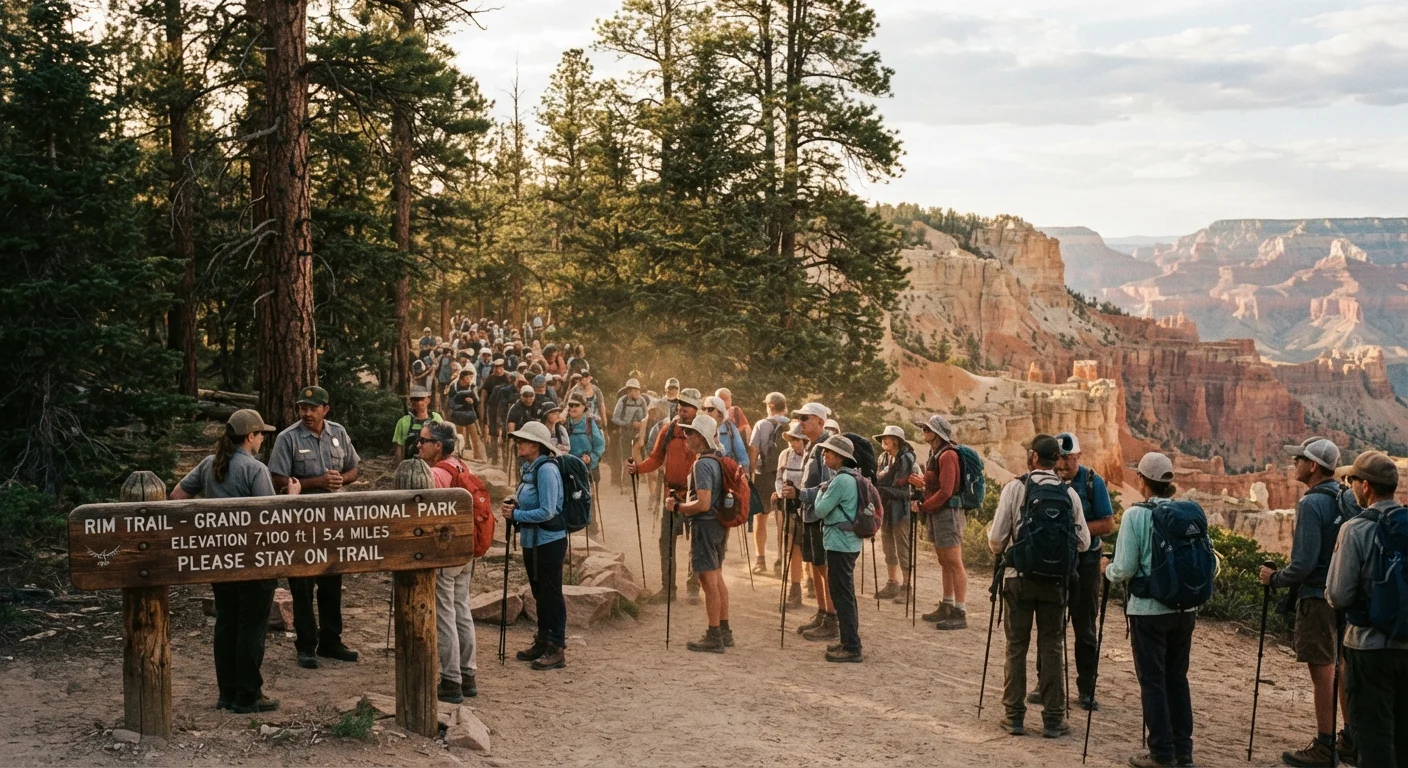
- Arriving before 7 a.m. or after 4 p.m. can significantly reduce parking and trail congestion.
- Wildlife viewing is rewarding but requires maintaining safe distances - rangers enforce these rules strictly.
- Shoulder season offers similar scenery with far fewer crowds and lower accommodation costs.
- Cell service is often limited inside parks; download maps and reservation confirmations before arrival.
Why Peak Season Demands a Different Mindset
Visiting a national park between late May and early September can be genuinely spectacular - wildflowers, long daylight hours, and accessible high-elevation trails all make summer compelling. But the experience has changed considerably over the past decade. Visitation to U.S. national parks has surged, with the National Park Service recording over 325 million recreation visits in recent years. That volume concentrates heavily into a roughly 12-week window.
The practical result: parking lots fill before 8 a.m. at parks like Zion, Arches, and Glacier. Permit lotteries for iconic trails - Half Dome cables at Yosemite, the Narrows at Zion - close out months in advance. Expecting a spontaneous, uncrowded experience at a marquee park in July sets you up for frustration. Approaching it as a logistics exercise you plan carefully sets you up for a genuinely great trip.
If flexibility is possible, the timing trade-offs of traveling outside school breaks are worth understanding before you commit to dates.
325M+
Annual NPS recreation visits in recent years
According to National Park Service visitor use statistics, annual recreation visits have consistently exceeded 325 million in recent years, with the majority concentrated in summer months.
8 a.m.
Typical parking lot full time at high-traffic parks
NPS visitor guides and ranger advisories for parks like Arches and Zion commonly note that primary parking areas reach capacity before 8-9 a.m. on summer weekends.
Reservations, Passes, and Entry Requirements
A growing number of popular parks use timed-entry reservation systems during peak periods. These systems vary by park - some require a reservation just to enter the park by vehicle, others apply only to specific areas or trailheads. The NPS Recreation.gov platform is the central booking site, but each park's entry requirements change from year to year, so verifying directly on the park's official NPS page before your trip is essential.
Key points to know:
- Reservations often open 1-3 months ahead and sell out quickly for the most popular windows (holiday weekends especially).
- America the Beautiful annual passes cover entrance fees at NPS sites but do not substitute for timed-entry reservations where required.
- Interagency passes are available at discounted or no cost for seniors, active military, and people with permanent disabilities - details are on the NPS website.
- Some parks use shuttle systems during peak season, making personal vehicles unnecessary and sometimes impractical inside park boundaries.
Download your reservation confirmation to your phone before departure. Cell coverage inside most parks is unreliable, and rangers check reservations at entry stations.
Check the Park's Official Page Annually
Timed-entry reservation requirements, shuttle schedules, and permit lotteries change from year to year at many parks. What applied last summer may not apply this summer. Always verify current requirements directly on the park's official NPS page - not third-party travel sites - before booking anything.
On the Ground: Crowds, Parking, and Trail Reality
Even with a reservation in hand, peak-season park visits require realistic expectations about conditions. Trailhead parking lots at signature attractions - Bryce Canyon's Navajo Loop, Grand Teton's Jenny Lake - can reach capacity before 9 a.m. on summer weekends. Many parks now post real-time parking updates on their websites and social media accounts, which are worth checking the morning of your visit.
Practical strategies that experienced park visitors use consistently:
Arrive at trailheads by 6:30-7 a.m. to secure parking and beat midday heat
Most park parking lots fill between 8 and 10 a.m. on summer weekends. Early arrival dramatically improves your chances of getting a spot without circling or being turned away, and cooler morning temperatures make hiking safer and more comfortable.
Build your itinerary around one or two anchor experiences rather than trying to see everything
Overpacking a park itinerary is one of the most common planning mistakes. Rushing from stop to stop in a crowded park produces stress rather than restoration, and many people leave feeling they didn't fully experience anything. Depth beats breadth in a single visit.
Use park shuttle systems whenever available instead of driving between attractions
Parks that operate internal shuttle systems - including Zion, Bryce, and Acadia - design them specifically to move visitors efficiently while reducing road congestion and emissions. Shuttles also eliminate the frustration of hunting for parking at each stop.
Research permit and lottery requirements at least three months before your target dates
Permit systems for high-demand trails and campsites fill quickly, and lottery windows open on fixed dates that vary by park. Missing these windows means missing the experience entirely - no workaround exists on short notice.
Download offline maps and all confirmation documents before leaving cell coverage
Cell service is absent or unreliable inside most national parks, including in visitor centers and campgrounds. Navigation and document retrieval that depend on a live signal will fail exactly when you need them most.
If the crowds at well-known parks feel like too much, it's worth knowing that dozens of less-visited parks offer comparable landscapes. Our overview of underrated U.S. national parks covers options that see a fraction of the traffic.
Wildlife, Safety, and Leave No Trace
Peak season coincides with active wildlife periods - bison calving in Yellowstone, bear activity in Great Smoky Mountains and Glacier, elk rut beginning in early fall. Seeing wildlife is one of the most memorable parts of a park visit, and it comes with clear responsibilities.
The NPS requires staying at least 25 yards from most wildlife and 100 yards from bears and wolves. These aren't suggestions - rangers issue citations and the risks to both visitors and animals from close encounters are documented and serious. Never feed wildlife; human food conditions animals in ways that often lead to their removal or death.
Beyond wildlife, summer heat creates real safety considerations in desert parks like Saguaro, Joshua Tree, and the Grand Canyon's inner gorge. Dehydration and heat exhaustion hospitalizations spike during summer months. Carry more water than you think you need - rangers commonly recommend a minimum of one liter per hour for strenuous desert hiking - and check trail conditions and heat advisories on the park's official site before setting out.
For a broader framework on preparing for any destination's specific conditions and entry requirements, the pre-trip research checklist offers a structured approach that adapts well to domestic destinations too.