

Key Takeaways
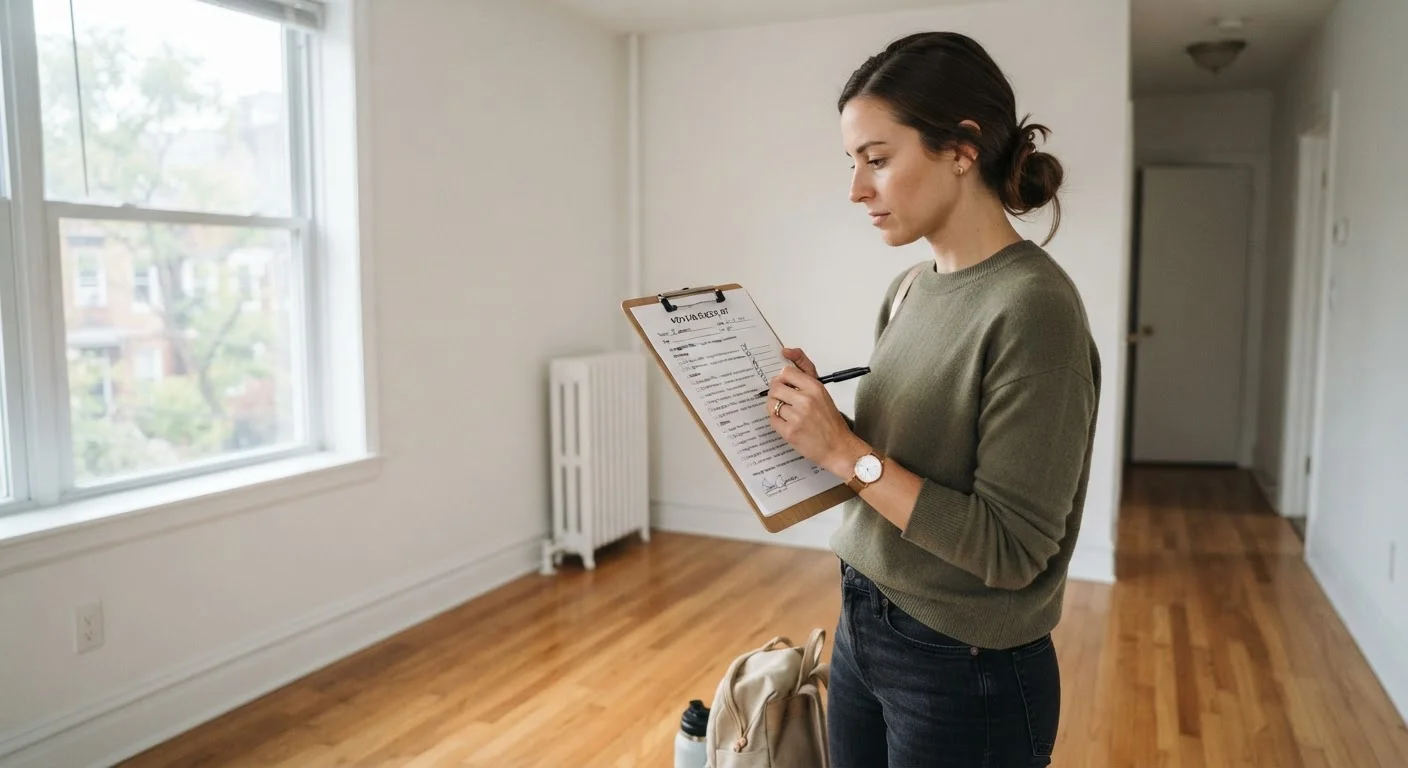
- Skipping a move-in inspection checklist is the single most common reason renters lose deposit disputes.
- Most states require landlords to return deposits within 14-30 days and provide itemized deduction statements.
- Written communication with your landlord creates a paper trail that can be critical evidence in disputes.
- Normal wear and tear cannot legally be charged against a security deposit in most U.S. jurisdictions.
- Renters who file in small claims court often succeed when they have documentation on their side.
The High Stakes of a Security Deposit Dispute
Security deposits typically equal one to two months' rent - a significant sum that many renters expect to recover in full when they move out. Yet disputes over withheld deposits are among the most common conflicts between landlords and tenants, and renters frequently come out on the losing end - not because the law is against them, but because they made avoidable procedural mistakes before and during the tenancy.
Understanding your rights is the foundation. Our guide on renter's rights every tenant in the U.S. should know covers the legal protections that apply in most states. This article focuses on the specific missteps that undermine those rights when it matters most.
Skipping a detailed move-in inspection and failing to document pre-existing damage in writing.
Why it happens: Renters are often eager to move in quickly and assume the landlord's word or a basic walkthrough is sufficient. Some landlords don't offer formal checklists.
Confusing normal wear and tear with damage - and not knowing the legal distinction.
Why it happens: Most renters don't realize that landlords are legally prohibited from charging for ordinary deterioration, such as minor paint fading or carpet wear from regular foot traffic.
Failing to provide proper written notice before vacating, as required by the lease or state law.
Why it happens: Renters sometimes assume verbal notice is sufficient, or they misread the lease's notice requirements - typically 30 to 60 days in advance.
Leaving the unit without doing a formal move-out walkthrough with the landlord.
Why it happens: Scheduling a joint walkthrough can feel awkward or unnecessary, but skipping it means you lose the chance to address disputed items in real time.
Missing the deadline to dispute an itemized deduction statement.
Why it happens: Many renters don't know that state law often gives them a limited window - sometimes as few as 15 days - to formally object to charges after receiving the landlord's written statement.
Conducting all landlord communication verbally instead of in writing.
Why it happens: Talking to a landlord face-to-face or by phone feels natural, but verbal agreements and conversations leave no verifiable record if a dispute escalates.
What to Do If You've Already Lost Documentation
Even if your move-in was less than perfectly documented, you still have options. Reconstruct what evidence you can: timestamped photos stored in cloud services, emails referencing the unit's condition, or maintenance requests that imply pre-existing issues. Any written communication with your landlord during the tenancy - whether about repairs, pests, or general condition - can help establish context.
Don't Wait to Take Action After Move-Out
State laws impose strict deadlines on both landlords and tenants after a lease ends. If your landlord misses the deadline to return your deposit or provide an itemized statement, you may be entitled to additional damages - but only if you act within your own legal window. Delaying your response or assuming the process will resolve itself can forfeit rights you would otherwise have.
If your landlord withholds your deposit or sends an itemized statement that you believe contains inflated or improper charges, there are formal steps you can take. Our article on disputing unfair charges after you move out walks through the dispute process in detail. Small claims court is a realistic option for many renters - filing fees are usually modest, and judges are experienced with deposit cases.
Going forward, treating your landlord relationship as one that requires a consistent written record is smart practice. Written communication habits that protect tenants legally are skills worth building early in any tenancy.