

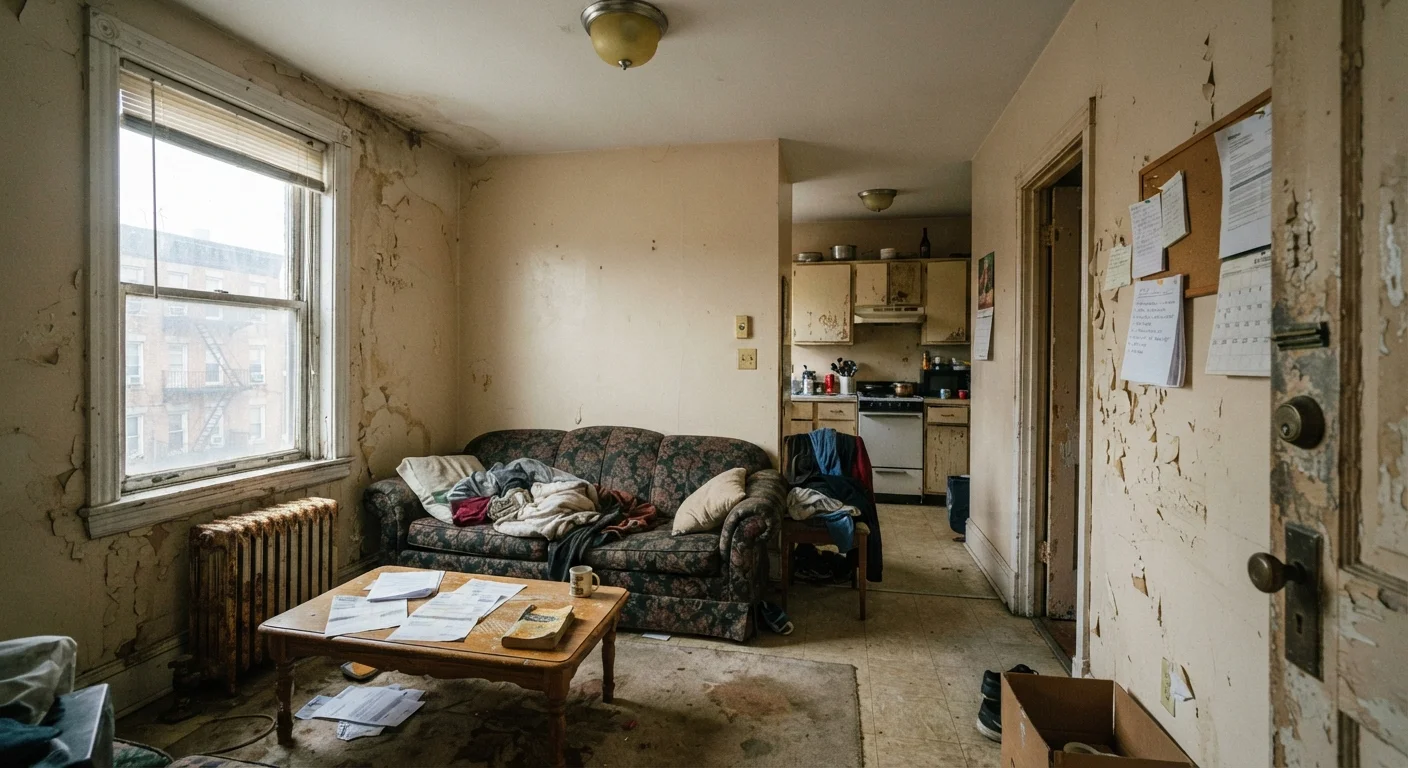
Key Takeaways
- 'As-is' clauses cannot waive a landlord's legal duty to provide a habitable rental unit.
- Tenants who sign as-is leases retain core rights, including working heat, plumbing, and structural safety.
- Document the unit's condition thoroughly before signing and request all repair agreements in writing.
- State and local housing codes - not lease language - set the minimum standard landlords must meet.
- Understanding what 'as-is' does and doesn't cover helps renters negotiate from a stronger position.
Where 'As-Is' Language Comes From - and Why It Appears in Leases
The phrase 'as-is' originated in contract law as a way for sellers or landlords to signal that a property is being offered in its current condition, with no implied promise to make improvements before transfer. In real estate sales, it's a common and largely enforceable disclaimer. In rental agreements, it carries far less legal weight than many landlords - or tenants - assume.
Landlords typically include as-is language to limit their obligation to cosmetic repairs: scuffed baseboards, older appliances, worn carpeting, or dated fixtures. The intent is often reasonable - they're pricing the unit accordingly and don't want to field renovation requests. But the phrase sometimes appears in leases where landlords hope it will also excuse them from more serious obligations. That interpretation is legally incorrect in virtually every U.S. jurisdiction.
Before signing any lease that uses this language, read the full agreement carefully. Lease agreements contain clauses that deserve a close look, and an as-is provision is near the top of that list.
Common Myths - and the Facts That Correct Them
Renters often misread what signing an as-is lease actually means for their rights. The following myth-and-fact pairs address the most consequential misconceptions.
Myth
Signing an as-is lease means you accept the unit in whatever condition it's in, permanently giving up the right to request repairs.
Fact
Signing as-is does not waive your right to a habitable unit. Landlords remain legally obligated to maintain minimum health and safety standards regardless of lease language.
The implied warranty of habitability exists as a matter of law, not contract. Courts in the overwhelming majority of states have held that this warranty cannot be waived by a lease clause - including an as-is provision. Renters can still request, and are legally entitled to, repairs that affect the livability of the unit.
Myth
If a problem was visible when you toured the unit, the as-is clause means the landlord has no obligation to fix it - ever.
Fact
Visibility at move-in is relevant to cosmetic disputes, but it does not excuse a landlord from correcting conditions that violate local housing codes or habitability standards.
There's a meaningful legal difference between a cosmetic defect - like worn carpeting you could see on a walkthrough - and a code violation, such as inadequate ventilation or a faulty heating system. Courts have consistently held that pre-existing code violations don't become a tenant's responsibility simply because the tenant moved in knowing about them. Landlords bear ongoing responsibility to keep the unit up to code.
Myth
An as-is lease protects landlords from any liability if something goes wrong with the property.
Fact
As-is clauses offer landlords limited protection against cosmetic complaint claims, not broad liability shields. Landlords remain liable for negligence and habitability failures.
Landlord liability for injury or health harm caused by a property defect - mold, structural hazards, dangerous wiring - is governed primarily by tort law and housing codes, not lease language. An as-is clause in a lease does not prevent a tenant from pursuing legal remedies if a landlord's failure to maintain the property causes harm. In many states, attempting to use contract language to disclaim habitability obligations is itself unenforceable.
Myth
As-is means the rent price reflects a discount, so tenants should expect to pay for their own repairs.
Fact
Lower rent does not transfer maintenance obligations from the landlord to the tenant unless specific, lawful agreements to that effect are made in writing.
Some landlords do price as-is units below market and informally expect tenants to handle upkeep. But informal expectations are not enforceable. Unless a lease contains a specific, clearly written provision - such as a repair-and-deduct arrangement permitted by state law - the landlord retains standard maintenance responsibilities. Tenants who make repairs without a written agreement may find it difficult to recover those costs later.
Myth
There's no point negotiating with a landlord who lists a unit as-is - they've already made their position clear.
Fact
As-is is often a starting position, not a final one. Many landlords will agree to specific repairs or concessions before lease signing if asked directly.
Listing a unit as-is signals the landlord's preference, not an immovable legal stance. Particularly in a softer rental market, landlords may be open to addressing specific issues - a broken appliance, a leaking faucet - in exchange for a signed lease. The key is to raise concerns before signing, get any commitments in writing, and be specific about which items you're requesting. Broad requests rarely succeed; itemized ones often do.
What As-Is Actually Covers - and What It Doesn't
As-is language can legitimately shift responsibility for cosmetic and aesthetic conditions. If the unit has older but functioning appliances, minor wall scuffs, or dated bathroom tile, an as-is clause gives the landlord a reasonable basis to decline upgrade requests after move-in. Courts have generally upheld these limits when the condition was visible and disclosed before lease signing.
What as-is language cannot do is override the implied warranty of habitability - a legal doctrine recognized in nearly every state. That warranty requires landlords to maintain rental units in a condition fit for human occupation. This typically includes:
- Functioning heat, ventilation, and plumbing
- Structurally sound floors, walls, and roof
- Freedom from pest infestations
- Working smoke and carbon monoxide detectors where required by law
- Safe electrical systems
A landlord cannot use as-is language to disclaim responsibility for a broken furnace in winter or a sewage leak. State housing codes set the floor; lease terms cannot go below it. For a broader picture of the rights that apply regardless of what your lease says, see our overview of core legal protections for U.S. renters.
Never Rely on Verbal Repair Promises
If a landlord agrees to fix something before or after you move in, get it in writing - signed by both parties - before you hand over a deposit or sign the lease. Verbal promises are extremely difficult to enforce once a tenancy begins. A written addendum specifying the repair, the timeline, and the consequence if it isn't completed is the only reliable protection.
Protecting Yourself Before and After You Sign
If you're considering an as-is unit, your leverage is highest before you sign. Walk the property carefully, photograph every defect, and ask the landlord directly which conditions they will and won't address. Any repair promises made verbally should be confirmed in writing - ideally as an addendum to the lease - before you commit.
After move-in, maintain a written record of all communications about the unit's condition. If a habitability issue arises that the landlord refuses to address, document it with dated photos and written requests. Written records and clear communication habits protect tenants if disputes escalate.
Remedies available to tenants when landlords fail habitability standards vary by state but can include rent withholding, repair-and-deduct, or lease termination - all governed by local law. Contact your city or county housing authority, or a tenant rights organization, to understand the specific options in your jurisdiction.
This article is for general informational purposes only and does not constitute legal advice. Tenant rights and landlord obligations vary by state and locality. Consult a licensed attorney or local tenant advocacy organization for guidance specific to your situation.