

Key Takeaways
- Low-impact exercise reduces joint stress without sacrificing cardiovascular or strength gains.
- Activities like swimming, cycling, and yoga can suit a wide range of fitness levels and ages.
- Consistency with low-impact training often leads to better long-term adherence than high-intensity approaches.
- Many low-impact options effectively support weight management, muscle maintenance, and heart health.
- Consult a healthcare professional before starting any new exercise program, especially with existing conditions.
Low-Impact Doesn't Mean Low Results
There's a persistent myth in fitness culture that if an exercise doesn't leave you gasping or aching the next day, it isn't working. The evidence tells a different story. Low-impact workouts - those that minimize the jarring forces transmitted through joints - can build meaningful strength, improve cardiovascular health, and support long-term mobility when done consistently.
The distinction matters especially for people managing joint pain, recovering from injury, returning to exercise after a break, or simply looking for a sustainable routine that fits a busy life. Unlike high-intensity training (which carries its own trade-offs), low-impact movement is generally easier to recover from and maintain week over week.
Below are seven well-supported low-impact workout options, each with genuine fitness benefits - and practical reasons to consider adding them to your routine.
Swimming and Water Aerobics
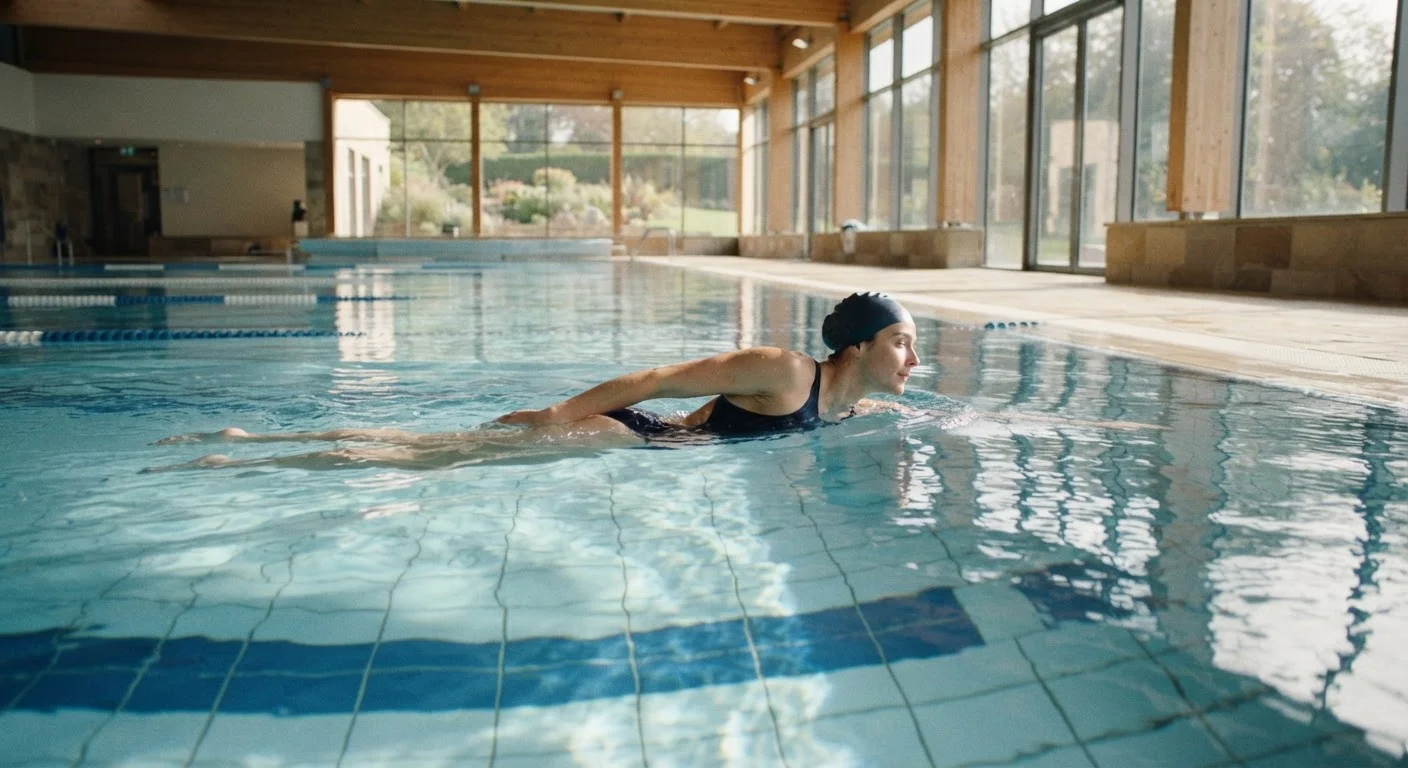
Water supports up to 90% of body weight, dramatically reducing the load on joints while providing natural resistance in every direction. Swimming engages the entire body - shoulders, core, legs, and back - in a single session. Water aerobics offers a similarly joint-friendly environment with added social appeal for those who prefer a class format.
Studies have linked regular swimming to improvements in cardiovascular fitness, muscular endurance, and flexibility. It's also one of the few aerobic activities suitable for people with significant arthritis or orthopedic limitations, though those individuals should confirm suitability with their physician first.
Water supports up to 90% of body weight, protecting joints while providing full-body resistance.
Cycling (Indoor or Outdoor)
Whether on a stationary bike or outdoors on flat terrain, cycling delivers strong cardiovascular conditioning with minimal impact on hips, knees, and ankles. Seat height and resistance can be adjusted to match current fitness levels, making it accessible to beginners and adaptable for more experienced exercisers.
Sustained, moderate-intensity cycling aligns closely with what exercise scientists call Zone 2 training - a range associated with metabolic efficiency and long-term heart health. Zone 2 cardio and its lasting health benefits are worth understanding if you want to get the most out of steady-state riding.
Cycling builds cardiovascular fitness and lower-body strength without the repetitive joint stress of running.
Walking
Walking remains one of the most extensively studied forms of exercise, with consistent evidence linking it to lower cardiovascular disease risk, improved mood, and better metabolic health. Brisk walking - at a pace that elevates heart rate without making conversation difficult - provides meaningful aerobic stimulus for most adults.
It requires no equipment, no gym membership, and fits into nearly any schedule. For those weighing whether to progress to running, a comparison of walking and running can help clarify which approach suits your goals and joint health.
Brisk walking offers proven cardiovascular and metabolic benefits with virtually no barrier to entry.
Yoga
Yoga combines controlled movement, held postures, breathwork, and balance challenges - producing improvements in flexibility, muscular endurance, and stress regulation. Many styles, including Hatha and Yin yoga, are genuinely low-impact and appropriate for people at various fitness levels.
Evidence suggests regular yoga practice can support joint mobility, reduce lower-back discomfort, and improve balance - factors especially relevant for older adults concerned about fall risk. More vigorous styles like Vinyasa raise heart rate more substantially, but even gentler forms contribute meaningfully to overall physical function.
Yoga improves flexibility, balance, and stress resilience while keeping joint stress low throughout practice.
Resistance Training with Machines or Bands
Strength training doesn't have to involve heavy free weights or explosive movements. Resistance machines guide movement through fixed paths, reducing the stabilization demands that can strain unprepared joints. Resistance bands offer a similar controlled stimulus with the added convenience of home use.
Building muscle through low-impact resistance work supports bone density, metabolic rate, and functional independence - benefits that compound over time. Bodyweight exercise and gym machines each have trade-offs worth considering when deciding what setup fits your life.
Machine-based and band resistance training build muscle and bone density with controlled, predictable joint loading.
Rowing (Machine or on Water)
Rowing is a full-body, low-impact workout that engages the legs, core, back, and arms simultaneously. A rowing ergometer (indoor rowing machine) is low-impact when technique is sound - about 60% of the drive force comes from the legs, not the back, so proper form matters and is worth learning from an instructor or instructional resource before increasing intensity.
Cardiovascular demand during rowing can be substantial, making it efficient for those with limited time. Its non-weight-bearing nature at the catch and drive phases makes it accessible to many people who find running uncomfortable.
Rowing engages nearly every major muscle group with minimal joint impact when performed with correct technique.
Tai Chi
Tai chi is a slow, deliberate practice rooted in Chinese martial arts tradition, now widely studied for its health applications. Its slow, flowing movements challenge balance, coordination, and lower-body strength without placing significant stress on joints.
Research, including randomized controlled trials, has found tai chi associated with reduced fall risk in older adults, improvements in balance and proprioception (the body's sense of its own position), and modest benefits for blood pressure. It is particularly well-suited to older adults or those in rehabilitation, and is widely available through community centers and senior programs.
Tai chi's slow, controlled movements build balance and lower-body stability with virtually no joint impact.
Building a Routine That Actually Sticks
The most effective workout is one you'll keep doing. Low-impact training excels here: research consistently shows that perceived enjoyment and manageable recovery are strong predictors of exercise adherence. If you spend most of your day at a desk, even modest additions of low-impact movement can make a measurable difference - see practical strategies for fitting movement into a desk job for ideas that don't require overhauling your schedule.
Mixing two or three of the options above across a week can provide a balanced stimulus for both the cardiovascular system and muscles. Adults who are 40 or older may find low-impact strength work especially valuable - research on strength training after 40 highlights why preserving muscle becomes increasingly important with age.
Start Gradually and Track Progress
Even low-impact workouts should be introduced progressively, especially if you're returning to exercise or managing a health condition. Begin with shorter sessions at moderate effort and gradually increase duration or resistance over several weeks. Tracking sessions - even simply noting how you felt afterward - helps identify what's working and supports consistency over time.
This article is for general informational purposes only and is not a substitute for personalized medical or fitness advice. Always consult a qualified healthcare professional before beginning a new exercise program, particularly if you have existing health conditions or injuries.